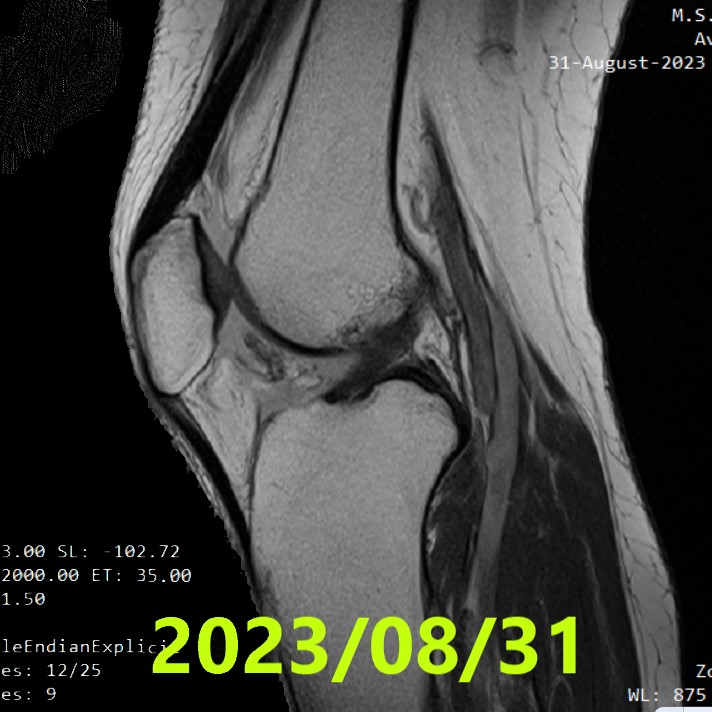
Case 42: A 42-Year-Old Singaporean Woman Who Healed a Complete ACL Tear with Evo-Devo Exercises Instead of Surgery

注目

A 42-year-old woman from Singapore chose Evo-Devo Exercises over surgery after tearing her ACL while skiing.

ACL Online Therapy for natural healing

The case reports of ACL natural healing

Patient Information:

  • Age / Gender / Nationality: 42 / Female / Singaporean
  • Date of Injury: December 11, 2022
  • Injury Description: Twisted her left knee while tripping on a mogul during skiing in Japan
  • First Examination: December 13, 2022 (X-ray: normal, Lachman test: negative)
  • First MRI: December 22, 2022
  • Diagnosis: Complete rupture of the left anterior cruciate ligament

Treatment:

  • Treatment Start: December 27, 2022
  • Therapy: Evo-Devo exercises (online)
  • Brace: Extension restricted to 0–30 degrees
  • Activity Restriction: Walking limited to under 3,000 steps per day
  • Frequency: 3 sessions per day at home
  • Treatment Duration: Approx. 5.5 months

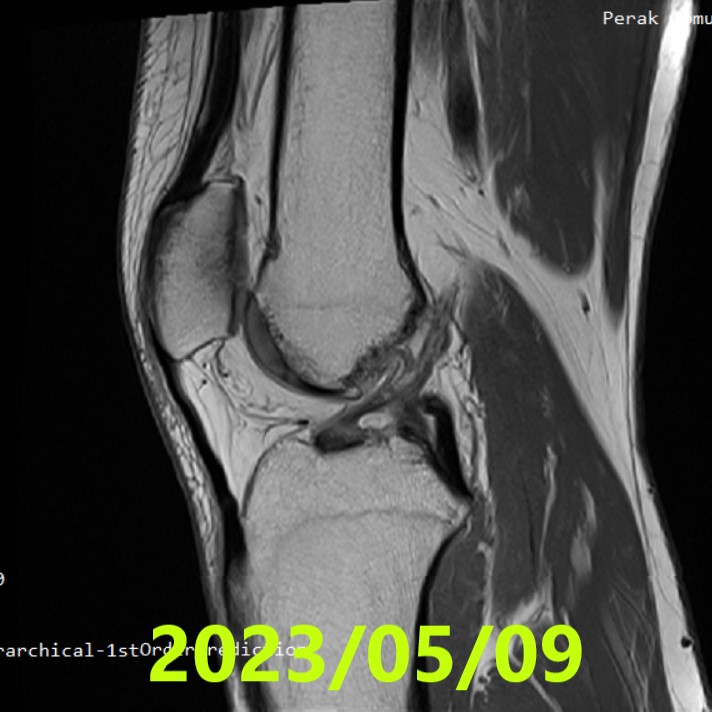
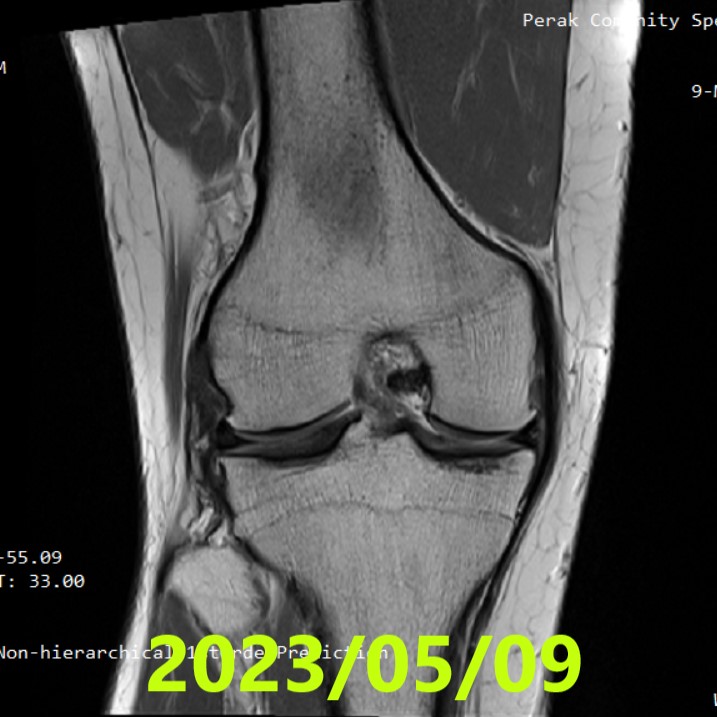
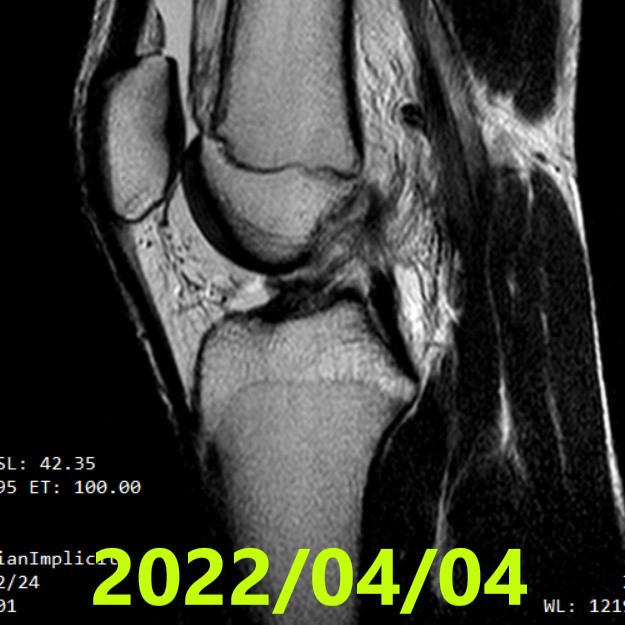
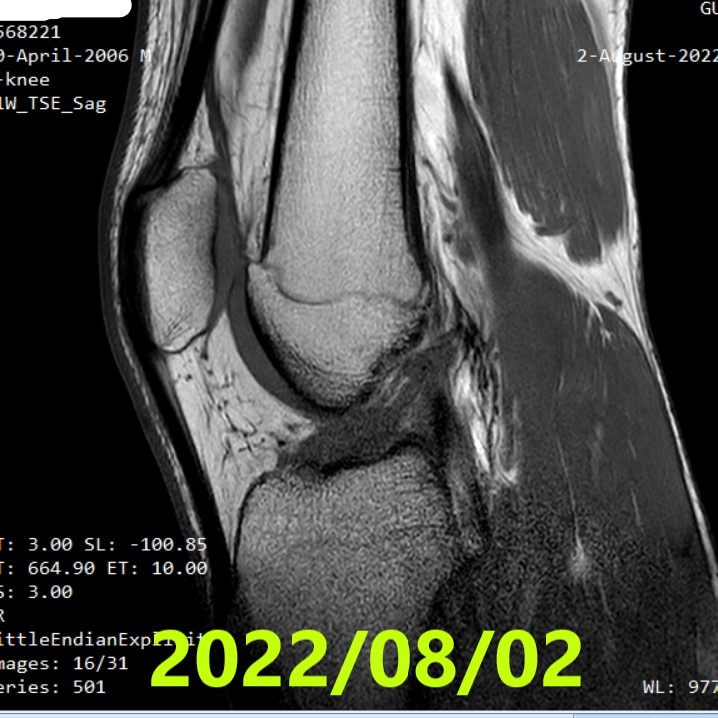
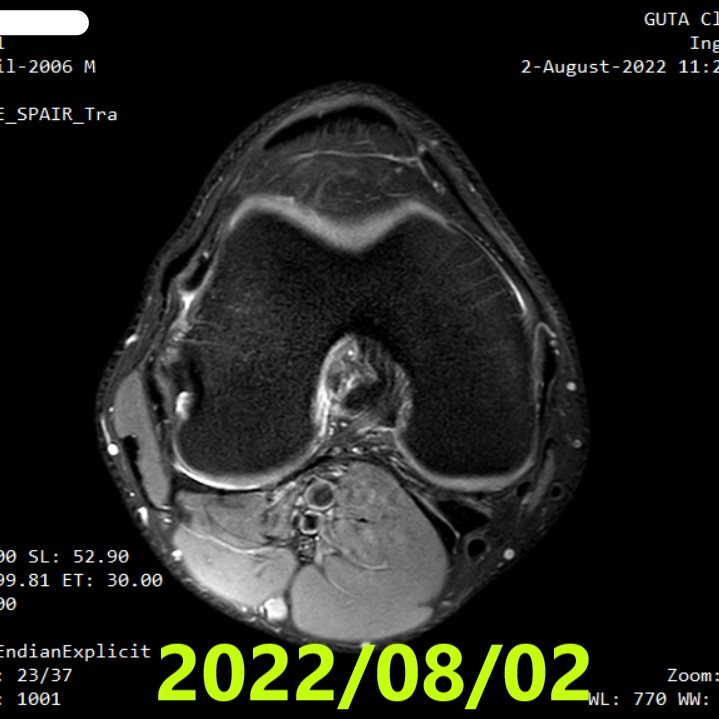
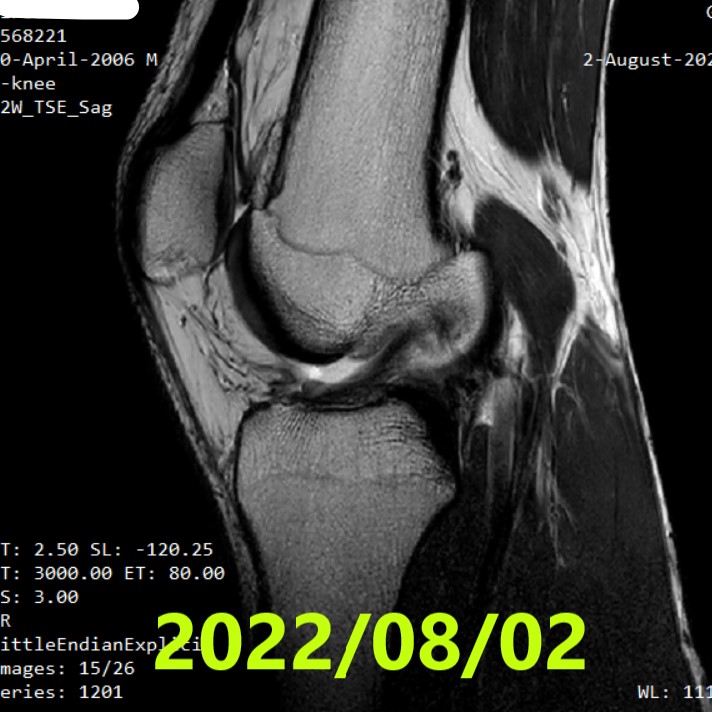
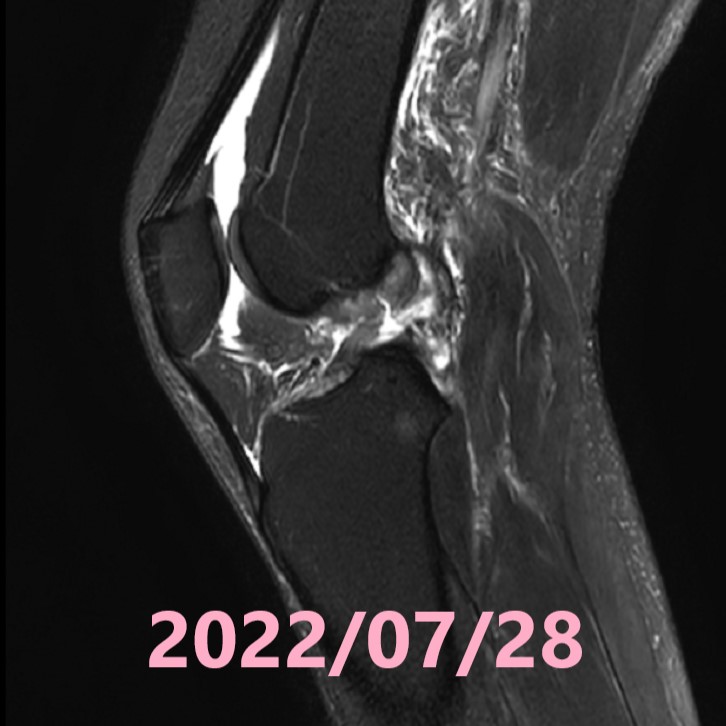
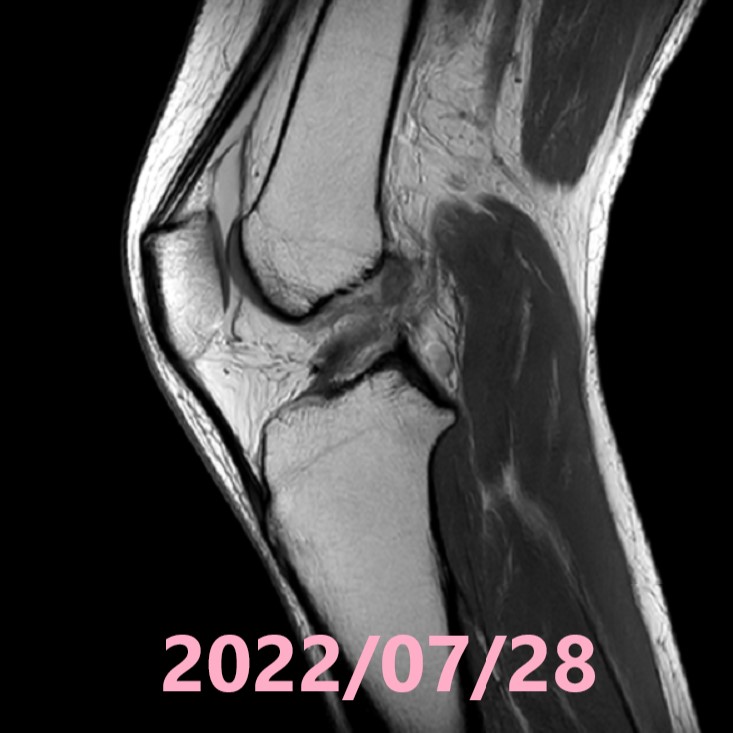
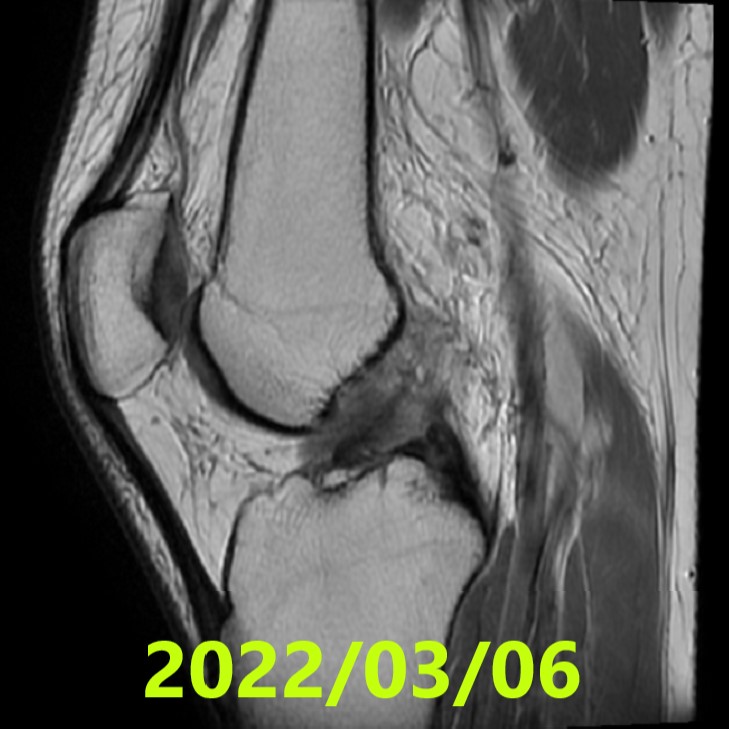
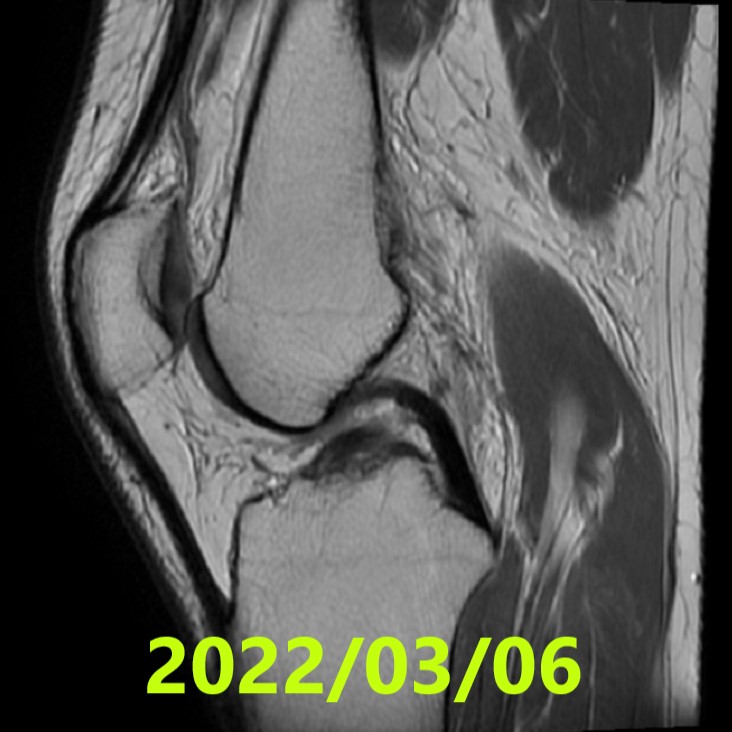
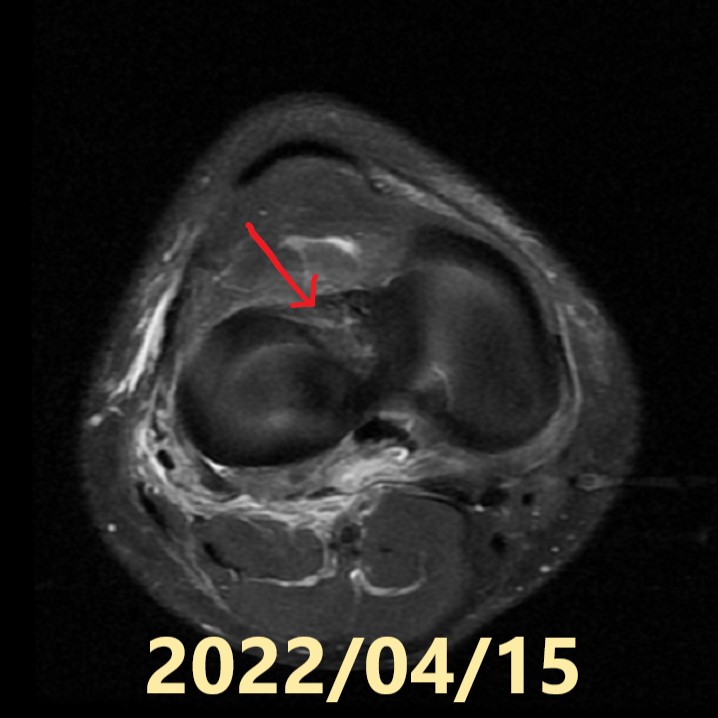
Pre-treatment MRI: December 22, 2022

Three independent radiologists assessed the MRI using the Ihara classification.

  • Ihara Classification: Two radiologists: Type III (rupture with stump displacement); one: Type II (rupture without stump displacement)

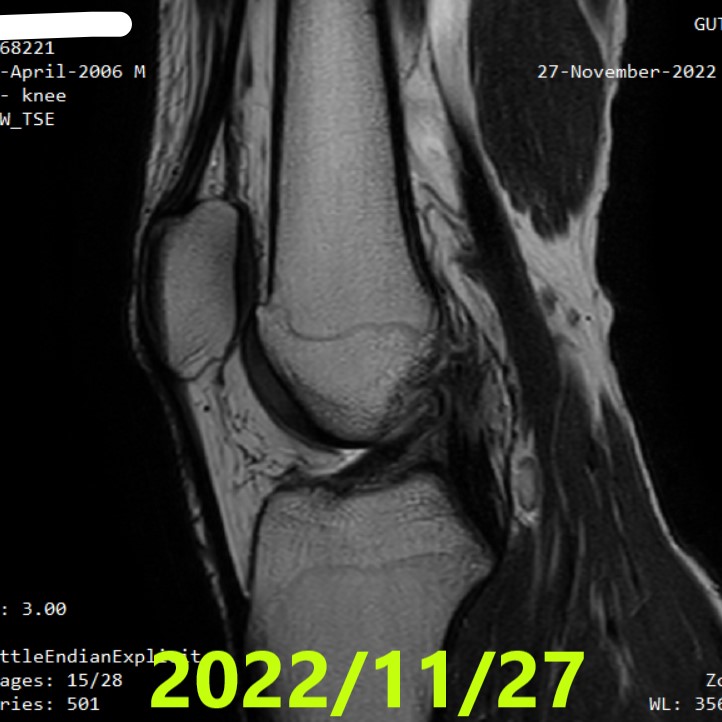
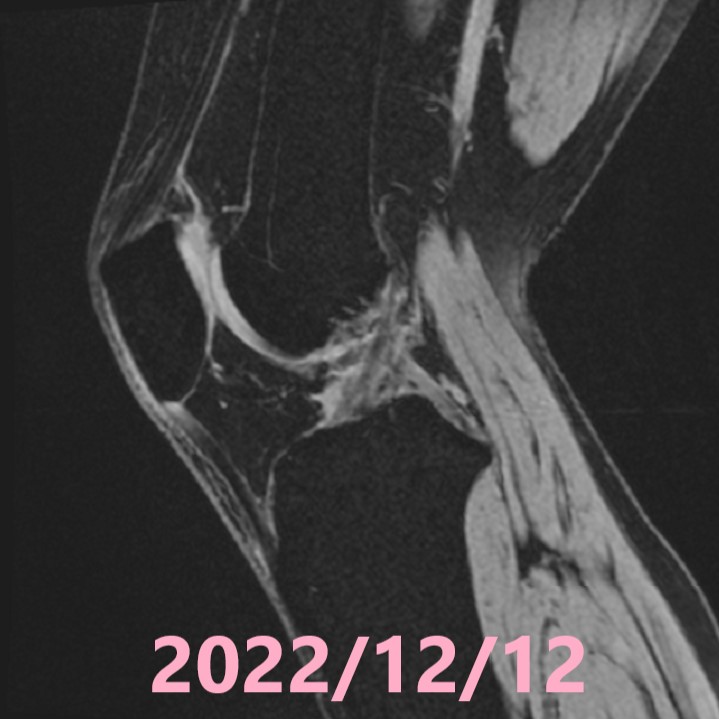
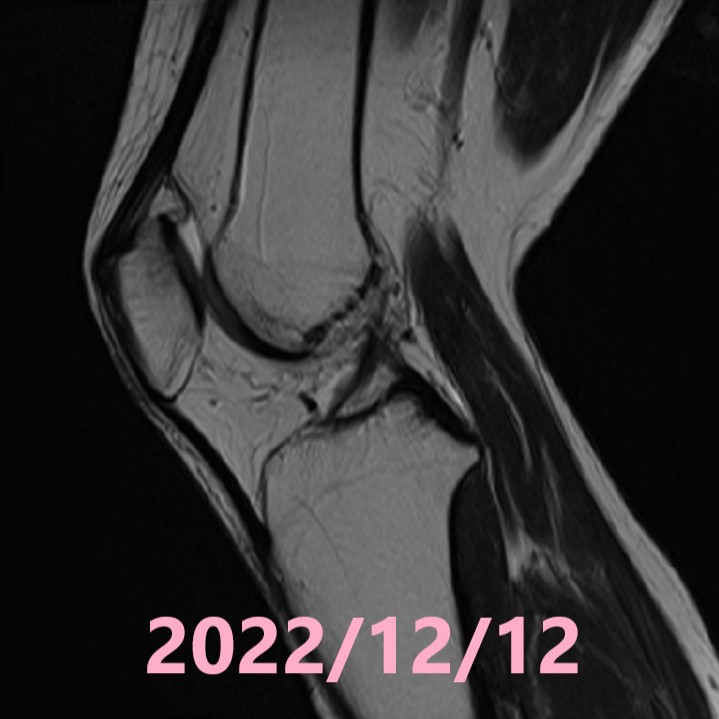
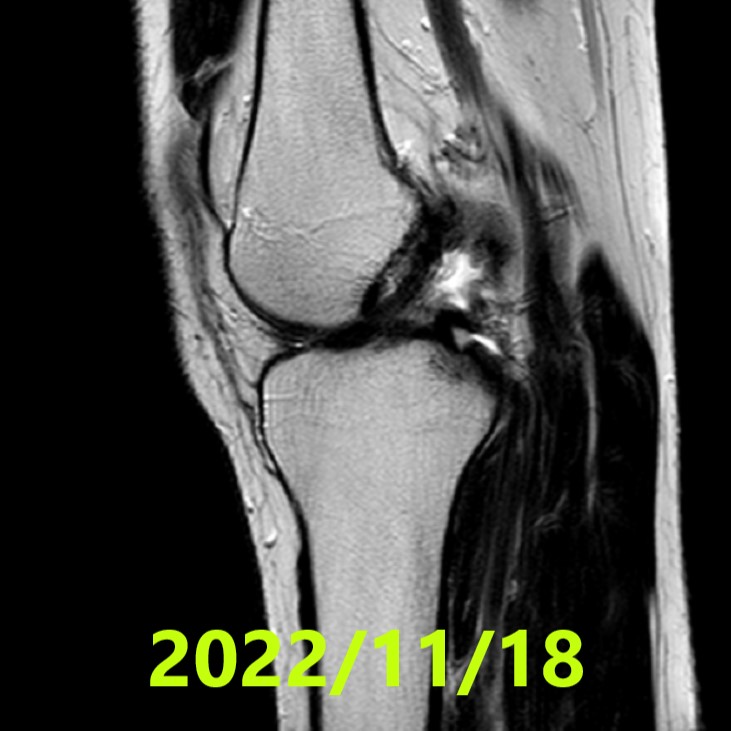
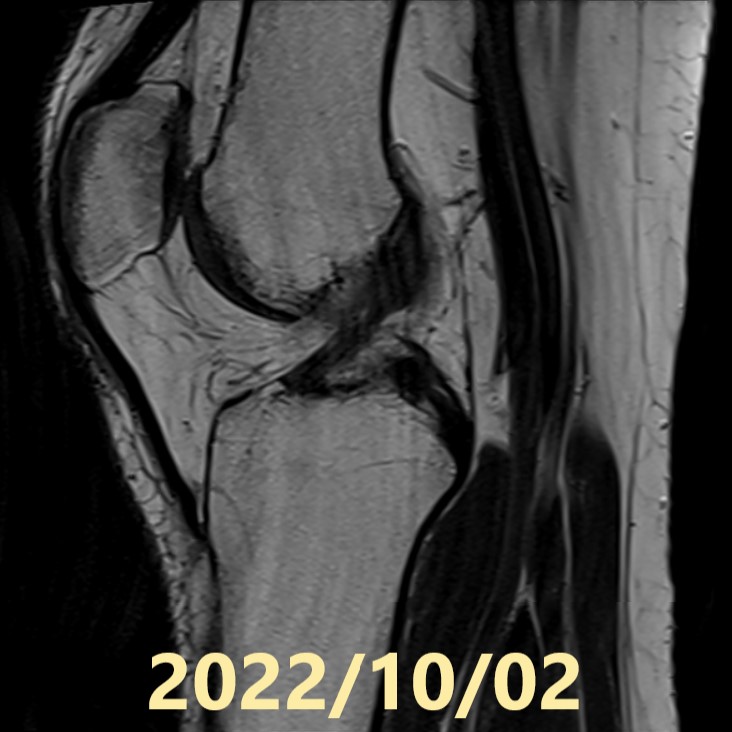
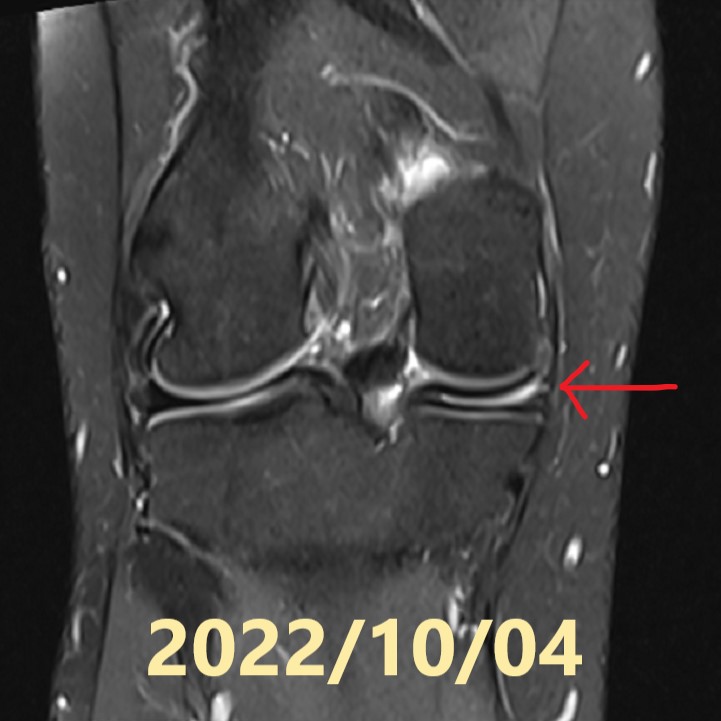
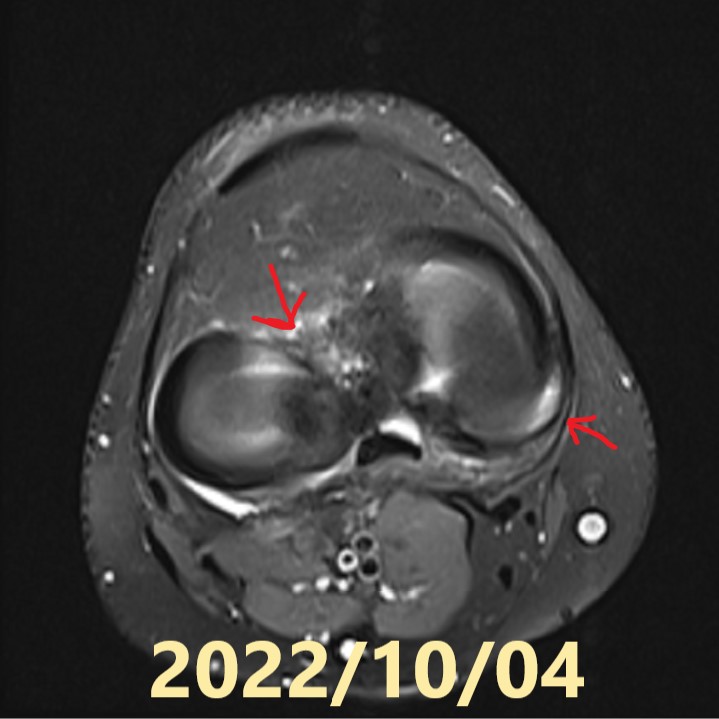
Post-treatment MRI: June 1, 2023

Three radiology specialists re-evaluated the MRI based on the ACLOAS scoring system.

ACLOAS Score Definitions:

  • Score 0: Normal ligament (low signal intensity, normal shape and continuity)
  • Score 1: Thick ligament and/or high signal, but with preserved continuity and shape
  • Score 2: Thin or elongated ligament, but with preserved continuity
  • Score 3: Disrupted ligament with complete loss of continuity

Re-evaluation Result:

  • ACLOAS Score: All 3 radiologists evaluated the ligament as Score 1 (thick and continuous)

Discussion:

Initially, the patient underwent rehabilitation including extension exercises. However, shortly after, she transitioned to Evo-Devo Exercises with extension restriction. Although the initial MRI showed displaced rupture, all three radiologists evaluated the ligament as Score 1 (continuous and thick) five months after therapy began. This suggests the ligament structurally reconnected through natural healing. In January 2024, while running, she misstepped and felt strong impact on the same knee. Although a re-rupture was suspected, no follow-up MRI was taken. After symptoms stabilized, rehabilitation resumed, and she recovered to a level sufficient for daily activities, recreational skiing, and hiking.

References:

[Case 39] A 36-Year-Old Male Skier with a Complete ACL Tear Who Achieved Natural Healing through Evo-Devo Exercises: A Case Report

注目

This page presents a case report of a 36-year-old male with a complete anterior cruciate ligament (ACL) tear who achieved natural healing without surgery through Evo-Devo Exercises.

ACL Online Therapy for natural healing

The case reports of ACL natural healing

Patient Information:

  • Age / Gender: 36-year-old Japanese male
  • Date of Injury: February 4, 2023
  • Injury Situation: Fell while skiing and twisted his left knee
  • Initial Response: X-ray, joint aspiration, emergency bracing

MRI performed on February 7, 2023, diagnosed a complete ACL tear. Three radiologists independently evaluated the image and all rated it as Ihara Classification Grade 4 (ruptured, horizontally oriented, or indistinct).

MRI on Feb 7, 2023
▲ February 7, 2023: ACL tear image diagnosed as Ihara Grade 4

Treatment Summary:

  • Start of Therapy: February 14, 2023
  • Brace: Not used (early mobilization allowed with slight knee flexion)
  • Exercise Therapy: Evo-Devo Exercises, 3 times daily
  • Duration: About 4 months

Manual Tests (May 2, 2023):

TestResult
Lachman Test± (slightly loose)
Pivot Shift TestNegative
Lever Arm TestNegative

MRI Re-evaluation (June 16, 2023):

Three radiologists assessed the ACL healing using the ACLOAS score system.

ACLOAS Score Definitions:

  • Score 0: Normal ACL (normal shape and signal)
  • Score 1: Thickened ligament or high intraligament signal, but normal continuity
  • Score 2: Thinned or elongated ligament, continuity preserved
  • Score 3: Discontinuous ACL, ruptured

Case Result:

  • Score 1: 2 radiologists
  • Score 2: 1 radiologist
MRI on June 16, 2023
▲ June 16, 2023: Restored ACL continuity and structure

Discussion:

Despite being classified as Ihara Grade 4 (a complex and severe tear), this case showed notable ACL healing through consistent Evo-Devo Exercises. With 2 radiologists rating the ligament as Score 1 and 1 as Score 2, and with clinical stability confirmed, this case demonstrates the potential of non-surgical natural healing of ACL tears.

✅ Summary:

Age / Gender36-year-old male
Injury TypeIhara Grade 4 ACL tear
TreatmentNon-surgical (Evo-Devo Exercises, no brace)
DurationApprox. 4 months
MRI ResultsACLOAS Score 1 (2), Score 2 (1)
Manual TestLachman ±, Pivot −, Lever −
ConclusionProves possibility of natural healing even in complex tears

References:

Case 38: Complete ACL Tear Healed Naturally Without Surgery

注目

ACL Online Therapy for natural healing

The case reports of ACL natural healing

Patient Profile

A 43-year-old Japanese female presented with a complete ACL rupture following a skiing accident.

Mechanism of Injury

On January 4, 2023, the patient sustained a fall while skiing, resulting in a valgus injury to the left knee. MRI performed the next day confirmed a complete rupture of the anterior cruciate ligament (ACL), classified as Ihara Type II, along with an injury to the medial collateral ligament (MCL).

Diagnosis: Complete rupture of the left ACL (Ihara Type II)
Partial tear of the left MCL

Initial Management

Initial clinical evaluation revealed a positive Lachman test. Hemarthrosis was aspirated twice. Although the patient attended two outpatient physiotherapy sessions, full knee extension was not achieved. No surgical intervention was pursued.

Intervention

Approximately one month post-injury, on February 3, 2023, the patient commenced a structured online rehabilitation program based on natural healing principles. A knee brace was worn during daily activities, and the patient engaged in “Evo-Devo Exercises” focused on dynamic open kinetic chain movements. This regimen was maintained consistently for four months.

Follow-up Imaging

An MRI was performed four months after initiating the natural healing protocol. Three independent musculoskeletal radiologists assessed the image and unanimously assigned an ACLOAS Score of 1—indicating continuity and preserved morphology of the ACL, with mild thickening and increased signal intensity.

Outcome

The ACL, previously diagnosed as fully ruptured, was judged to have healed with sufficient thickness and tension. The patient subsequently progressed to higher-level rehabilitation aimed at returning to pre-injury levels of physical activity.

Discussion

This case illustrates the potential for spontaneous healing in ACL ruptures classified as Ihara Type II. The close approximation of ligament stumps likely contributed to favorable tissue regeneration. This supports the hypothesis that selected complete ACL tears may heal under appropriate biomechanical and rehabilitative conditions.

References

Natural Healing of ACL Tear -case 37- Be careful of the opposite knee!

注目

ACL Online Therapy for natural healing

The case reports of ACL natural healing

Patient Information:

44 years old, Male, Croatian

Mechanism of Injury:

On November 5, 2022, during a tennis match, he twisted his left knee. An MRI was performed on November 9, leading to the following diagnosis:

ACL Tear (Simple Complete Tear (Ihara Classification II))

Progress After Injury:

After the injury, he did not undergo physical therapy and rested. Starting from November 13, he began an online therapy program with our clinic and continued “Evo-Devo Exercises” at home for three months. On February 14, 2023, a second MRI was performed.

MRI Results:

The torn ACL had regained continuity. However, on the MRI, the ligament appeared pale and had not fully regained its thickness. He continued the “Evo-Devo Exercises,” and a third MRI was performed three months later.

MRI Results:

The ACL appeared darker and thicker compared to the previous MRI.

Subsequent Progress:

The ACL was deemed sufficiently healed, and the patient was cleared to return to sports. He gradually increased his activity levels and eventually played tennis at the same level as before the injury. However, around August 2024, he felt discomfort in his opposite (right) knee during tennis. He rested for a week, but the discomfort persisted even after resuming tennis. An MRI was conducted on October 1, 2024.

MRI Results:

The MRI showed a partial tear in the right ACL but retained continuity overall.

Discussion:

The initially injured left ACL healed naturally, and the patient returned to sports successfully. However, he subsequently injured the opposite ACL. Research suggests a significant likelihood of injuring the contralateral ACL after an initial ACL tear. This case underscores the importance of maintaining balance and minimizing asymmetry to prevent future injuries. Ongoing training to stabilize and balance the body is recommended.

References:

An Indian Highschool Boy’s Natural Healing of ACL Tear -case 35

注目

ACL Online Therapy for natural healing

The case reports of ACL natural healing

Patient Information:

17 years old, male, Indian

Mechanism of Injury:

On October 19, 2022, during a soccer match, he twisted his right knee while attempting to tackle an opponent. A snapping sound was heard from his right knee when twisted. The next day, an MRI scan was performed, resulting in the following diagnosis.

Complete Tear of the Anterior Cruciate Ligament (ACL) of the Right Knee (the ligament ends separated (Ihara Classification III))

Progress After Injury:

After the injury, knee buckling occurred several times. After wearing a brace, no further knee buckling occurred. Rehabilitation exercises, including full knee extension, were started at a hospital in India. On November 3, an online consultation was started with Jun Matsumoto. The online treatment and at-home Evo-Devo Exercises were continued for 5 months, and a second MRI scan was performed on March 31, 2023.

MRI Results:

The torn ACL had regained its continuity and retained some degree of tension. However, the ligament at about one-third from the femoral attachment remained thin. (Ihara Healing Classification B)

Subsequent Course:

Subsequently, muscle strength training and range of motion recovery exercises were conducted, and he recovered to the point of living a normal daily life without issues. On November 3, 2023, one year after starting treatment, a third MRI scan was performed.

MRI Results:

The results of the third MRI were similar to those of the second one, with the ligament at the tear site remaining thin.

Discussion:

In this case, despite a complete rupture with separation of ligament ends, Evo-Devo Exercises allowed the continuity of the ACL to be restored, achieving natural healing. However, the healed form showed remaining thinning of the ligament, which raises concerns about the patient’s return to sports. Many doctors instruct early rehabilitation, including full knee extension, after ACL injury. In this case as well, the patient had started incorrect rehabilitation early. It is thought that the presence or absence of full knee extension exercises after injury can affect treatment outcomes, and we will continue to collect statistical data on treatment outcomes.

References:

A Panamanian gentleman’s Natural Healing of ACL Tear -case 34

注目

Natural Healing of ACL Tear

ACL Tear Natural Healing Case Studies

Patient Information:

32 years old, male, Panamanian

Mechanism of Injury:

On August 21, 2022, during a basketball game, he felt a popping sound in his left knee when he jumped off his left foot. He could not move and was transported to the hospital. An MRI was performed the same day, leading to the following diagnosis. The Lachman test was positive.

ACL Tear (unclear stump (Ihara Classification IV))

Post-Injury Progress:

From September 13, 2022, he began Natural Therapy with Jun Matsumoto through online treatment. He continued with online therapy and Evo-Devo Exercises at home, and after four months of treatment, a follow-up MRI was performed.

MRI Results:

Although the torn ACL did not regain enough tension, its continuity had recovered. Fibers near the femoral attachment were thin, but the distal part was sufficiently thick. (Ihara’s Healing Classification B)

Discussion:

This ACL tear had an unclear stump, a type of tear considered difficult to heal naturally (Ihara’s classification). Contrary to expectations, MRI taken five months after the injury showed that the continuity had been restored, yielding relatively favorable results. After continued rehabilitation, he recovered enough to perform daily activities without issues and could engage in light exercises like jogging.

References:

A Professional Footballer’s Natural Healing of ACL Tear -case 32

注目

ACL Online Therapy for natural healing

The case reports of ACL natural healing

Patient Information:

38-year-old male, Japanese

Mechanism of Injury:

On September 11, 2022, during a soccer match, an opponent collided with him from the left. At that time, he twisted his right knee unnaturally when he braced with his right foot. He went to the hospital the same day and had an MRI the next day, receiving the following diagnosis:

ACL tear (mid-section tear with retracted ends (Ihara Classification III)

Post-Injury Progress:

On September 15, he visited another hospital. The Lachman test was positive. On September 19, joint fluid was extracted through joint aspiration. After that, there was no swelling, and the knee could flex up to 90 degrees.

On October 3, he visited our clinic. Lachman test was positive, lever arm test was positive, and pivot shift was negative. He started Evo-Devo exercise therapy and continued it daily at home. Another MRI was performed on October 18.

Natural healing of the torn anterior cruciate ligament was confirmed. He continued the naturalization exercises, and MRIs were performed again on December 15 and January 19 of the following year.

The continuity of the anterior cruciate ligament was sufficiently confirmed, and the looseness was also improved.

Discussion:

The patient was a former top athlete in the Japanese national beach soccer team. He wished to continue playing soccer at a competitive level and frequently had MRI scans to closely monitor the healing process. Despite recommendations for surgery from doctors and all related soccer personnel, he chose natural healing, which was a bold decision. The healing level as per imaging diagnosis was Grade II four months post-injury. Although there were concerns about his return to high-level soccer, he underwent rehabilitation and returned to soccer after several months.

References:

Degenerative Healing of an ACL Tear – Case 9

注目

ACL Online Therapy for natural healing

The case reports of ACL natural healing

Patient Information:

30 years old, male, Hong Kong resident

Injury Mechanism:

On August 20, 2023, during a soccer match, while dodging an opponent’s tackle while dribbling, he twisted his left knee. At that moment, he heard a tearing sound.

Post-Injury Course:

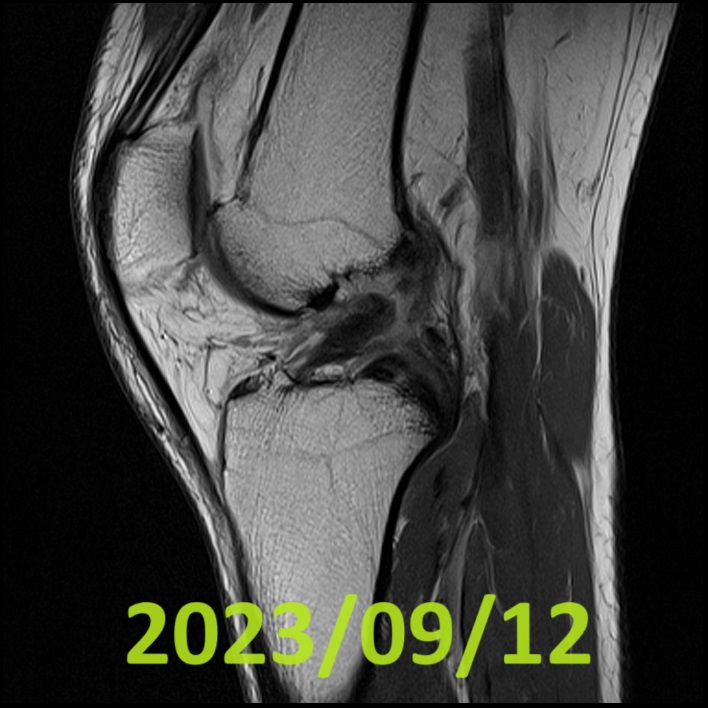
The next day, he visited a family doctor and it was determined that an MRI was necessary. He underwent an MRI on September 12, receiving the following diagnosis:

ACL complete Tear (proximal tear with retraction of the ends (Ihara classification III)
Grade I MCL injury
Grade I LCL injury

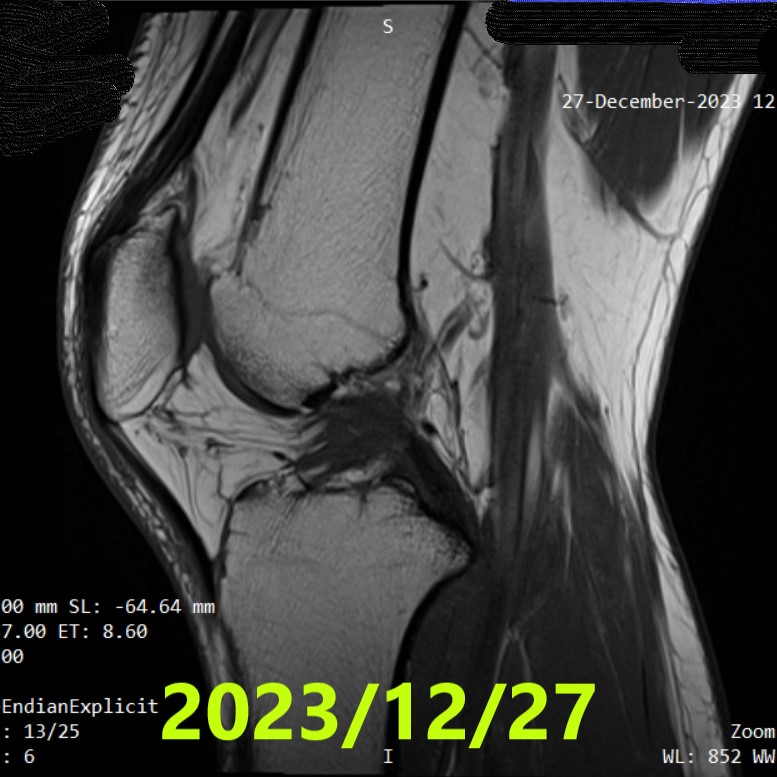
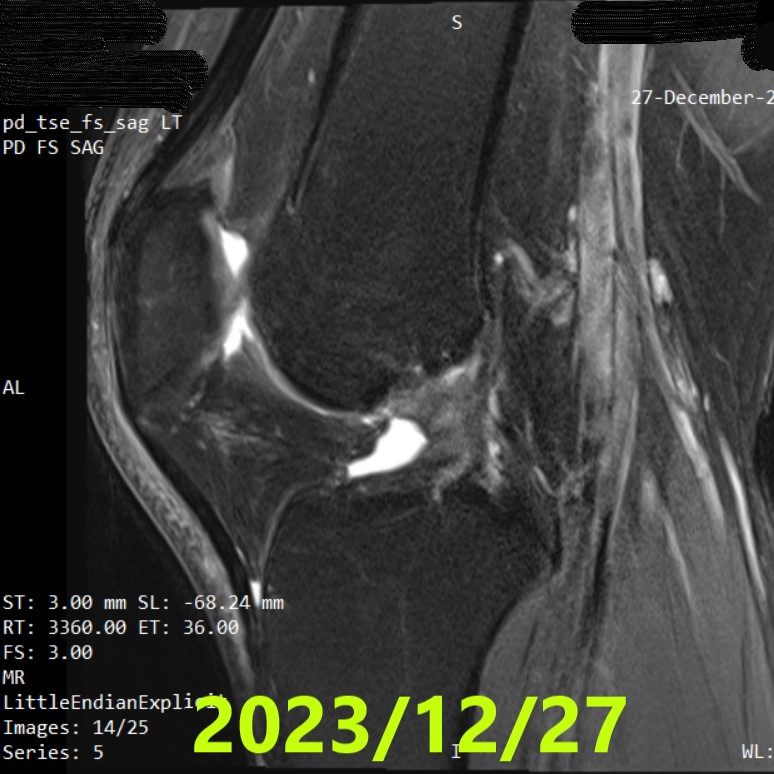
After the MRI, he continued functional recovery training instructed by a physical therapist for eight days. The prescribed exercises included an exercise bike, knee extension exercises, and squats. From September 23, he began the online therapy online with Jun Matsumoto. On December 27, he had his second MRI scan.

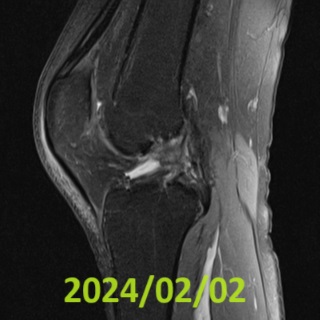
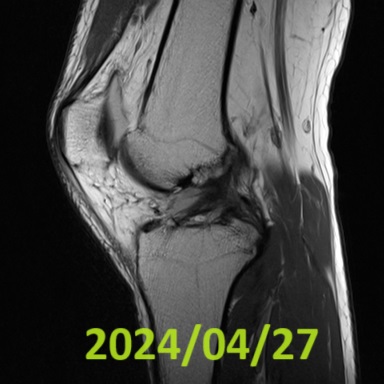
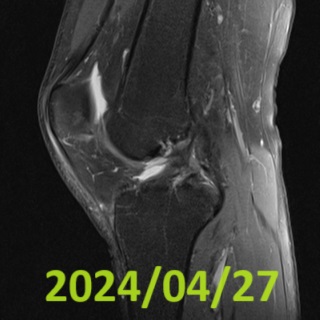
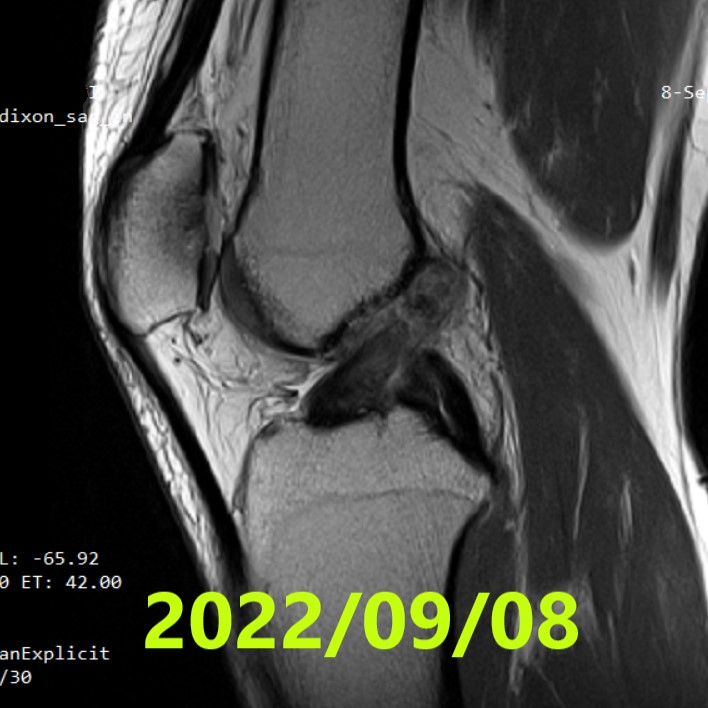
Based on the MRI images, the torn ends had adhered to the PCL. On December 28, he had an in-person consultation in Hong Kong where both the Lachman test and pivot shift test were both negative. Subsequent MRIs were performed on February 2 and April 27 of the following year.
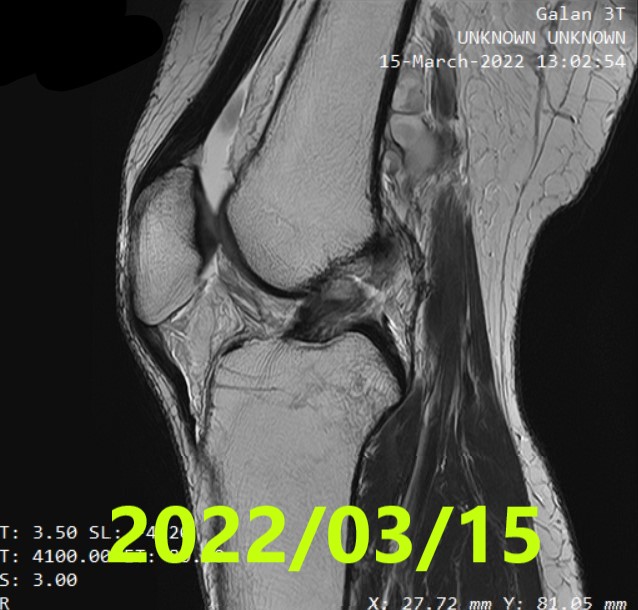
According to the radiologist’s opinion on the MRI from April 27, the torn ACL displayed a loose and weakened structure with ligament fiber reconstruction. On May 4, the patient resumed playing soccer but heard a painless tearing sound when he slipped during play.

Discussion:

The outcome of this case was deformity healing with adhesion to the PCL. Two possible causes for the deformity healing are proposed. One is that not only were the torn ends separated, but they were also unclear. The other is that rehabilitation for surgery had already been implemented before starting the natural healing therapy. Exercises involving full knee extension are considered to hinder natural healing. In the future, we plan to compare the healing results between groups that performed full knee extension exercises and those that did not.

References:

Degenerative Healing of an ACL Tear – Case 8

注目

ACL Online Therapy for natural healing

The case reports of ACL natural healing

Patient Information:

55 years old, female, Japanese

Mechanism of injury:

On March 7, 2022, while skiing, she fell with her right ski stuck in the snow.

Progress after injury:

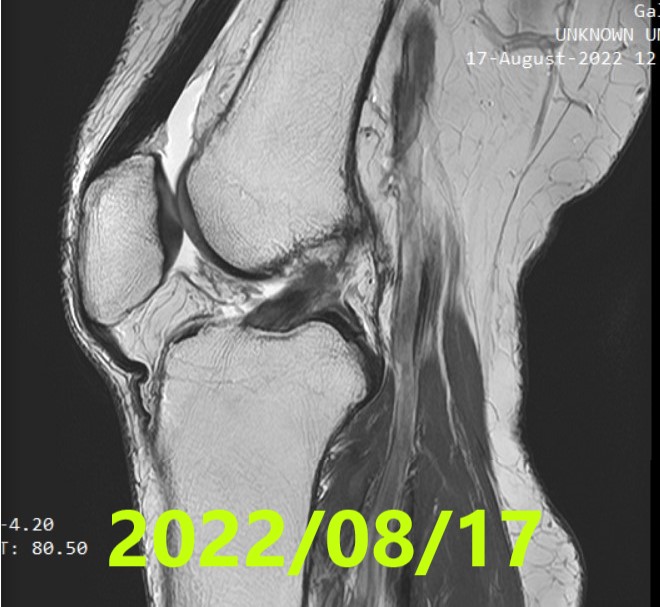
She was taken to an emergency hospital on the day of the accident, where X-rays showed no fractures. The next day, she visited a local orthopedic clinic, where joint fluid was removed through aspiration. An MRI on March 15 revealed the following diagnosis:

Complete ACL tear of the right knee (proximal 1/3 tear with separation of the torn ends, classified as Type III according to Ihara’s classification).

From April 18, 2022, she started online therapy with Jun Matsumoto. She received regular online treatments for four months, and a follow-up MRI was conducted on August 17. During this period, she did not wear any functional braces.

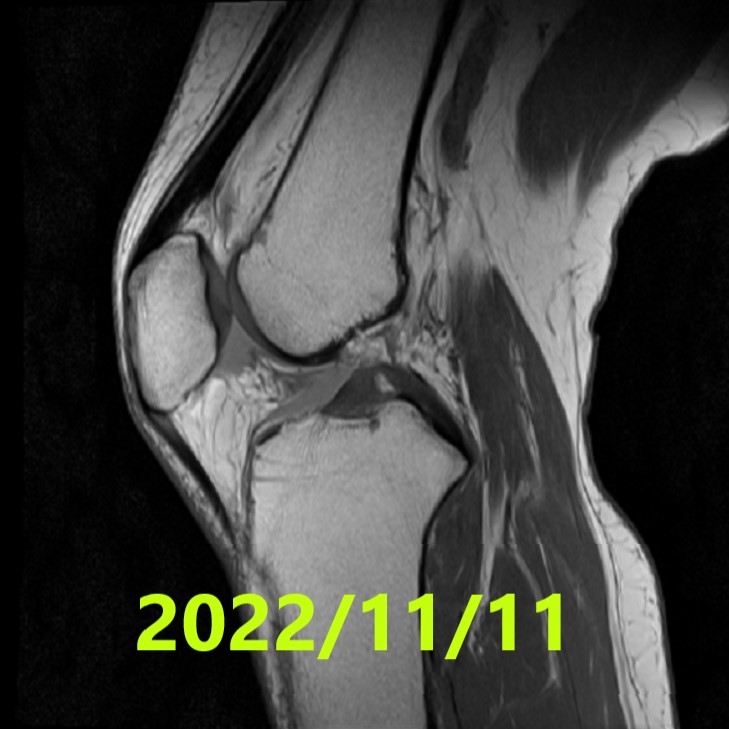
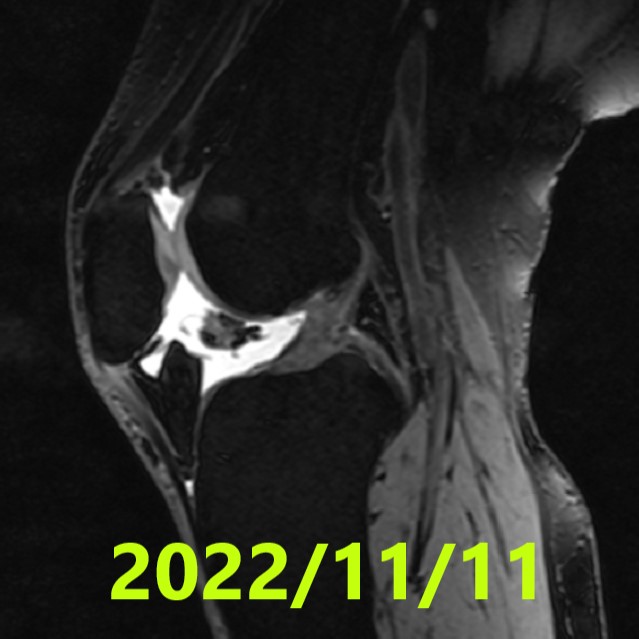
The second MRI did not show clear healing of the torn ACL. However, the tension in the tibial side suggested possible healing at a non-original location. Therapy continued, and a third MRI was conducted on November 11.

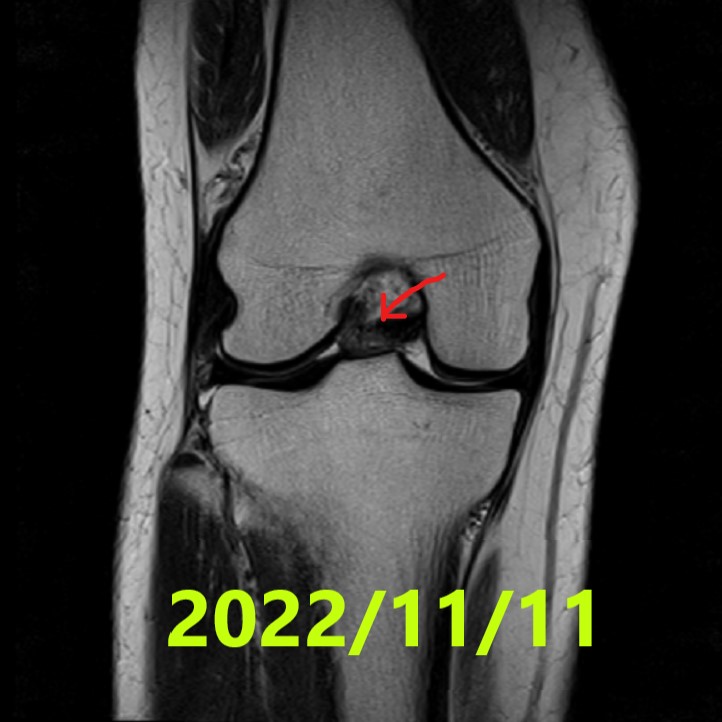
The third MRI also did not show clear natural healing of the torn ACL. However, a comprehensive examination of the sagittal and coronal images suggested that the tibial end had healed to the lateral wall of the intercondylar notch. Online treatment was stopped, and PRP injection therapy was started. Another MRI was conducted on August 31, 2023.

Since the ACL had already healed to the lateral wall, natural healing to its original location could not be confirmed.

Discussion:

In this case, the torn ACL could not heal naturally in an ideal manner. The result was a deformed healing to the lateral wall of the intercondylar notch. Functionally, the knee joint was stable, and the patient reported no issues in daily life. Despite not recommending braces for this patient, braces are now recommended for all subsequent patients.

References:

Degenerative Healing of an ACL Tear – Case 7

注目

ACL Online Therapy for natural healing

The case reports of ACL natural healing

Patient Information:

Age: 13 years
Gender: Female
Nationality: Japanese

Mechanism of Injury:

Date of Injury: June 10, 2023
Details: Twisted the left knee during a practice basketball game.

Progress after injury:

MRI Date: June 12, 2023
Diagnosis: Complete rupture of the left anterior cruciate ligament (ACL) with curved ends (Ihara Classification II).

Despite fresh trauma being confirmed by imaging, the patient had felt the knee dislocate several times over the past two years, but these symptoms quickly resolved each time. No joint fluid was aspirated during the examination. Post-injury, there were no knee collapses. Without undergoing hospital rehabilitation, the patient started our natural therapy on June 24, 2023, continuing for four months. A follow-up MRI was performed on October 25, 2023.

Results:

The second MRI showed no signs of natural healing of the ruptured ACL.

Discussion:

In this case, natural healing was not observed, and there was minimal deformity or adhesion to other structures like the posterior cruciate ligament. Despite having a tear pattern that typically allows for natural healing, the exact reasons for the failure remain unclear. Two potential reasons are:
1. Research indicates that younger females have a lower success rate of natural ligament healing compared to adults or males of the same age.
2. The issue of commuting to school. Although advised to avoid long-distance walking or cycling, family circumstances sometimes prevented this. Thus, the patient was not always able to avoid these activities.
Future improvements in treatment methods and living environments are necessary to enhance healing rates in younger patients.

References: