現在お買い物カゴには何も入っていません。
タグ: acl recovery without surgery
-

“No-Surgery Path for a Manual Worker — The Real Story of ACL Natural Healing (Case 45)
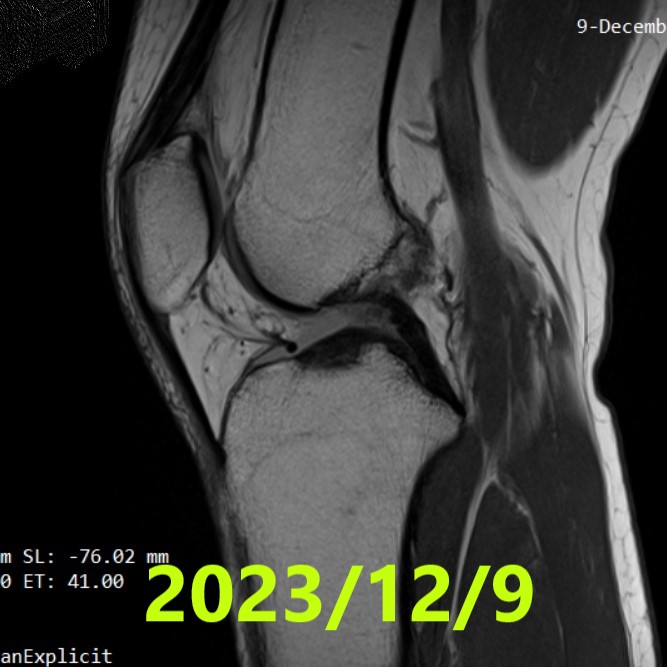
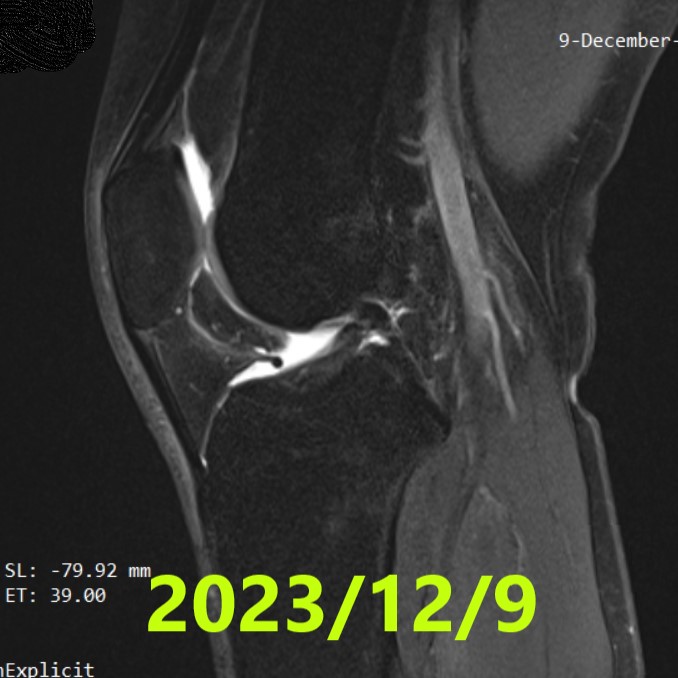
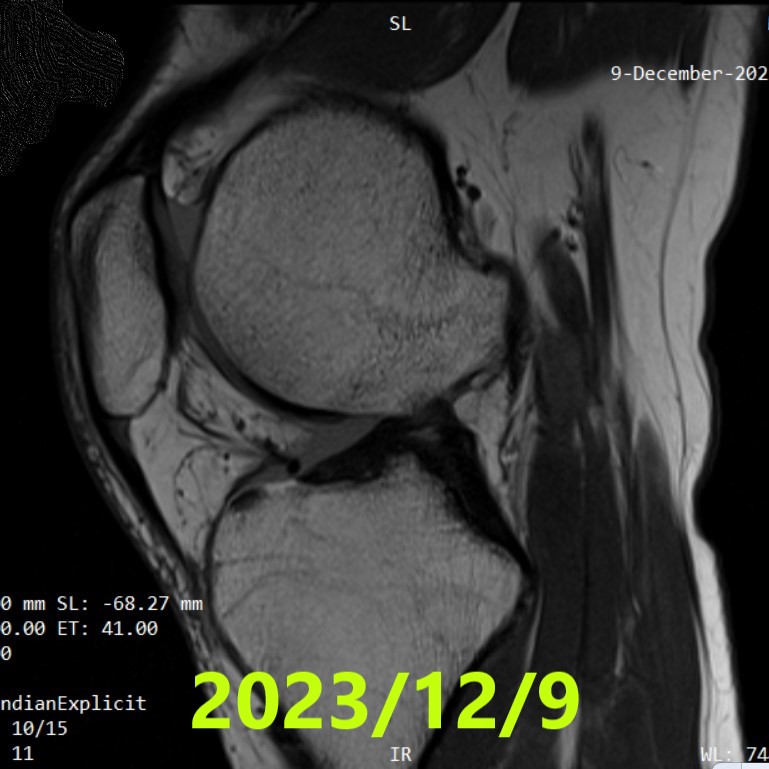
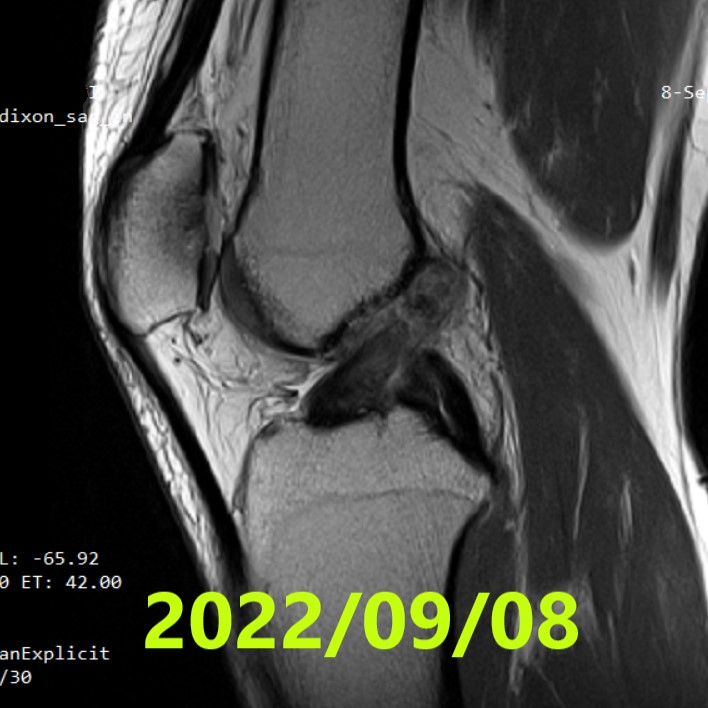
This page presents Case 45: a 49-year-old Hungarian man who sustained a complete rupture of the left anterior cruciate ligament (ACL) while skiing (popping sound at the final mogul). He did not undergo surgery. With Evo-Devo Exercises (our non-operative protocol), he restored ligament continuity and obtained favorable findings on follow-up MRI.
ACL Online Therapy for natural healing
The case reports of ACL natural healing
Patient information
- Profile: Hungarian, male, 49
- Date of injury: March 18, 2023
- Mechanism: Left knee discomfort while turning right during a ski run; continued skiing and heard a distinct popping sound at the final mogul
- Initial assessment: Same-day X-ray with no bony abnormality; Lachman positive
- Initial bracing: 0–90° brace, then changed to 0–60° on March 20
Initial assessment & start of care
- Medication: On an anticoagulant initially; given the potential to hinder natural healing, it was discontinued after ~1 month (in consultation with the attending physician)
- Start of therapy: From March 27, 2023, online care at Jun Matsumoto Clinic using the Evo-Devo Exercises.
- Range of motion: 30–120° permitted (avoid 0–30°)
- Walking: ≤ 3,000 steps/day
- Work: Continued manual labor with the brace on (strict avoidance of 0–30°)
- Home program: Evo-Devo Exercises (belly crawl, hands-and-knees crawl; open-chain focused) 3×/day
Imaging assessment (three independent radiologists)
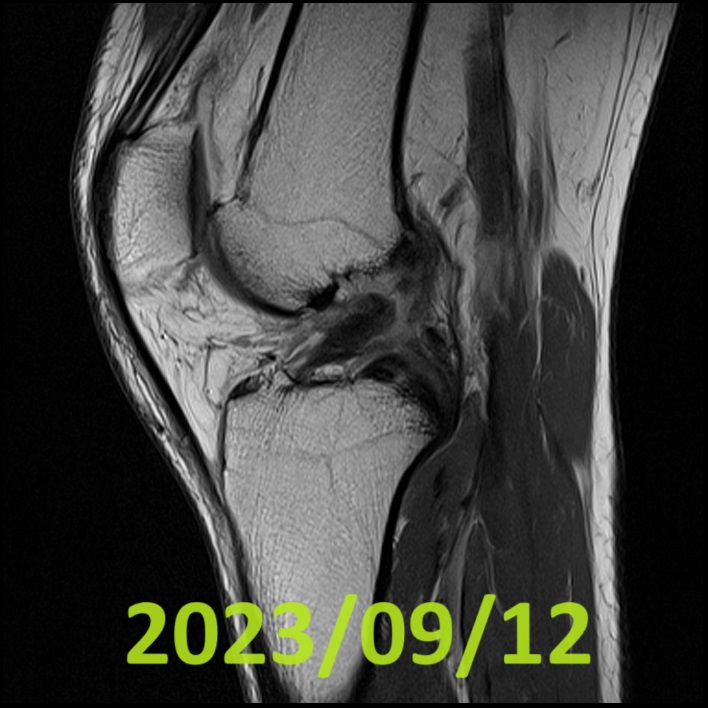
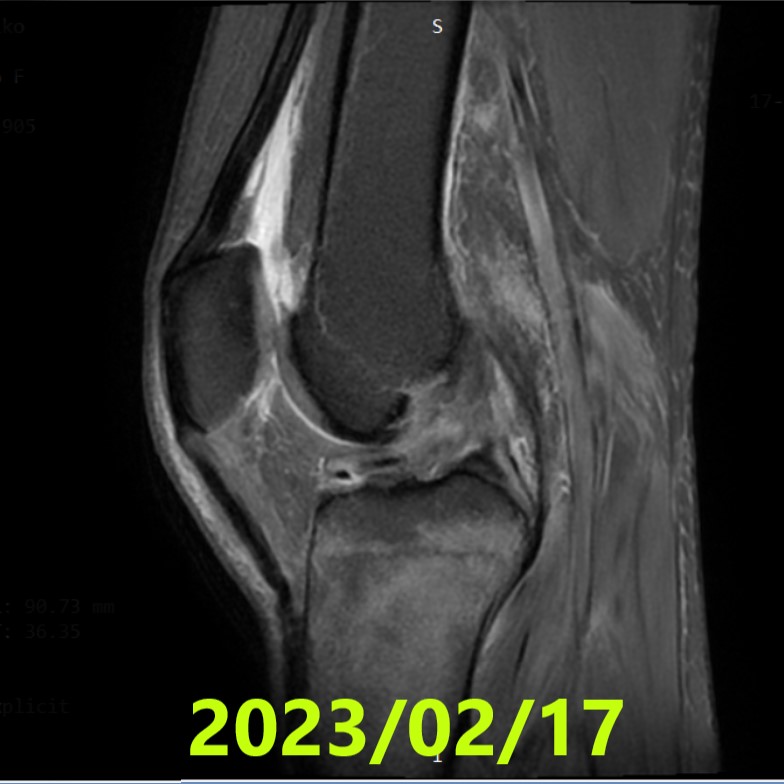
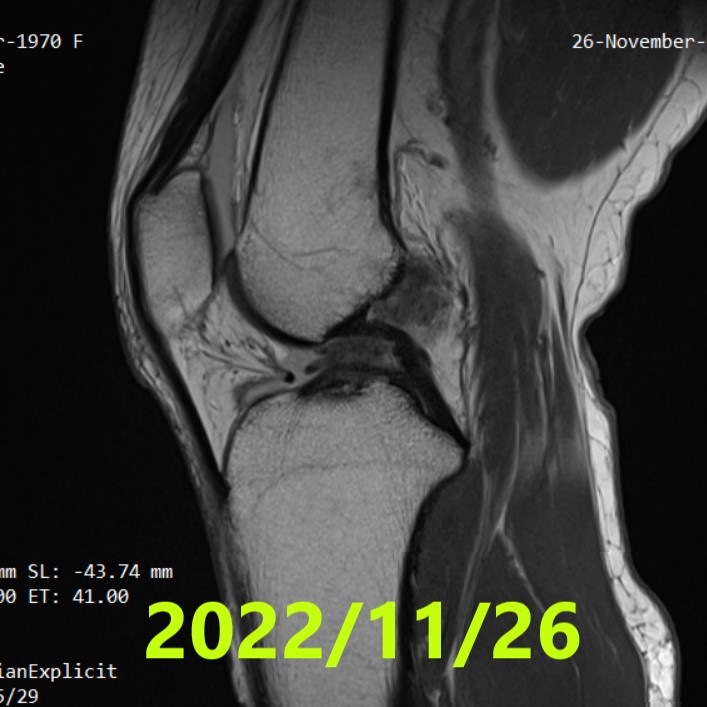
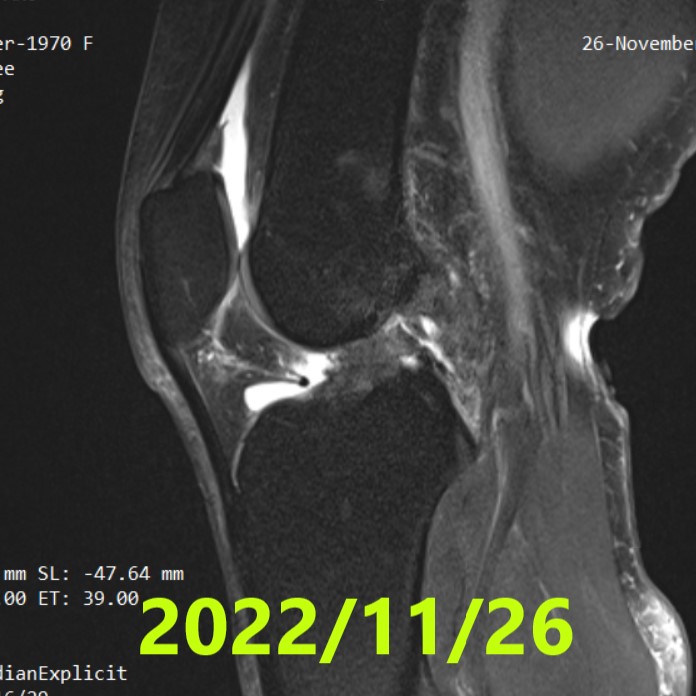
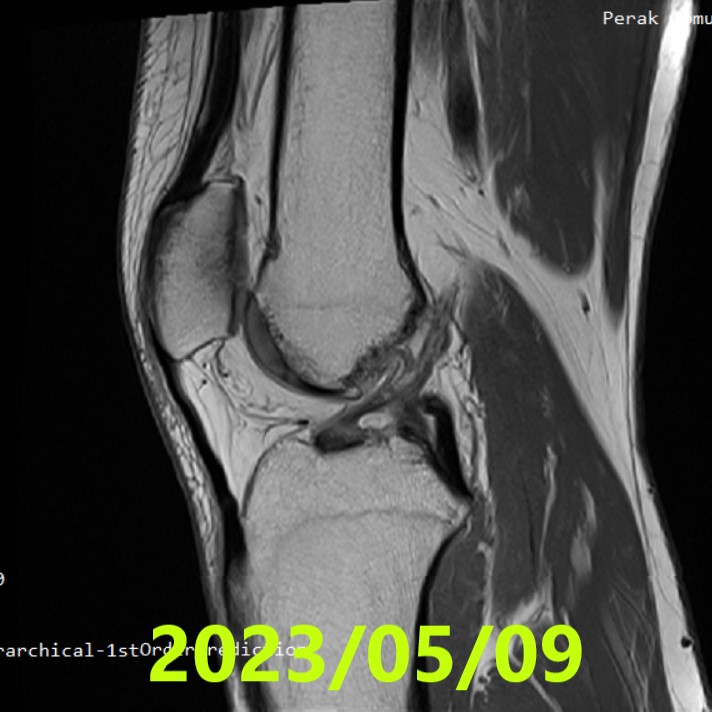
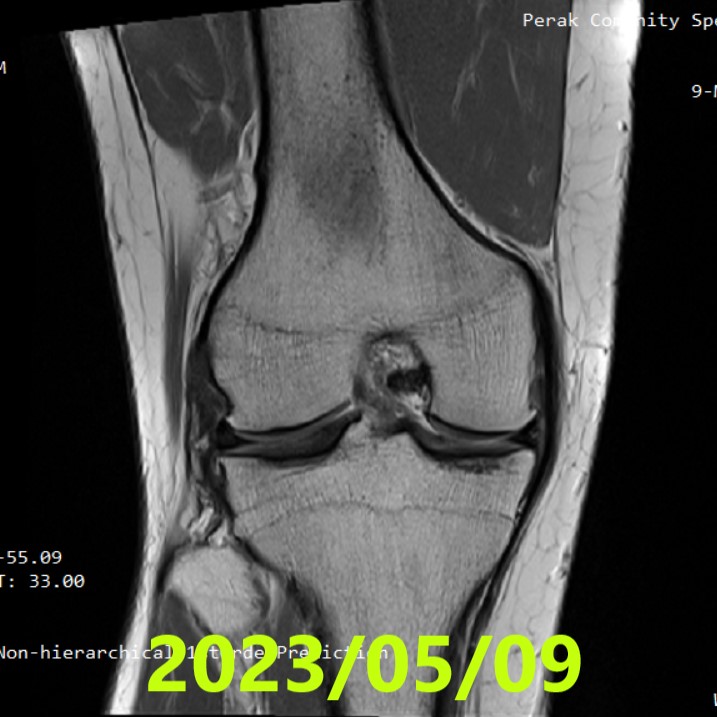
MRI #1 (April 1, 2023)
- Ihara classification: Type II by 1 radiologist; Type III by 2 radiologists → Majority: Type III (complete rupture with displaced stumps predominant)
[Ihara classification notes] I = linear/straight tear; II = curved tear (simple complete rupture); III = tear with displaced stumps; IV = indistinct/unclear stumps.

First 3 months (brace & activity)
- Brace management: Maintain 0–30° strict avoidance and 30–120° permission to promote stump approximation
- Activity restriction: Walking capped at ≤3,000 steps/day to enhance circulation/metabolism/fiber alignment while minimizing hyperextension and shear
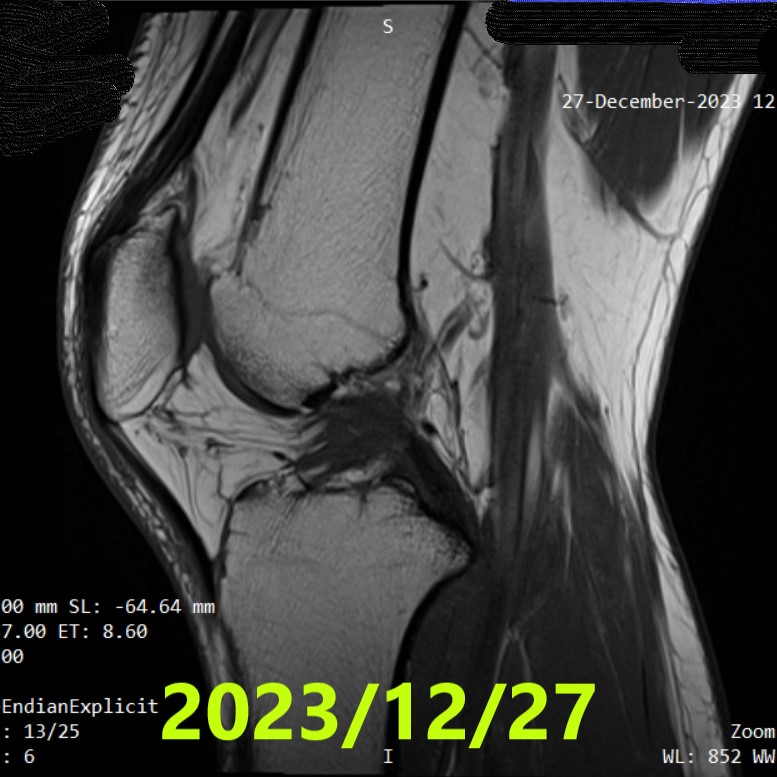
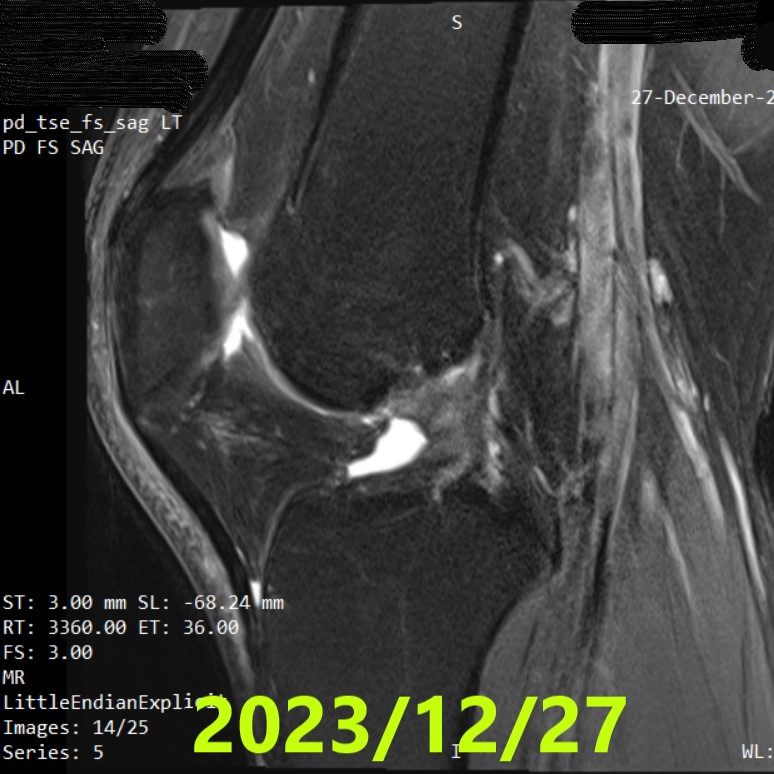
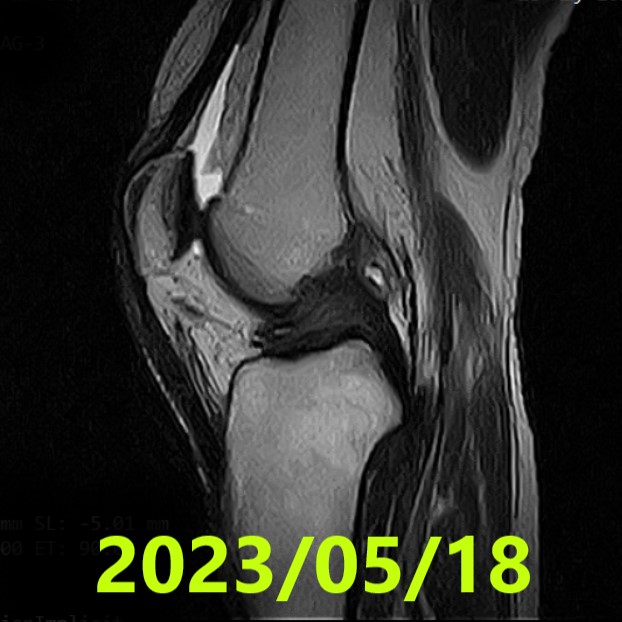
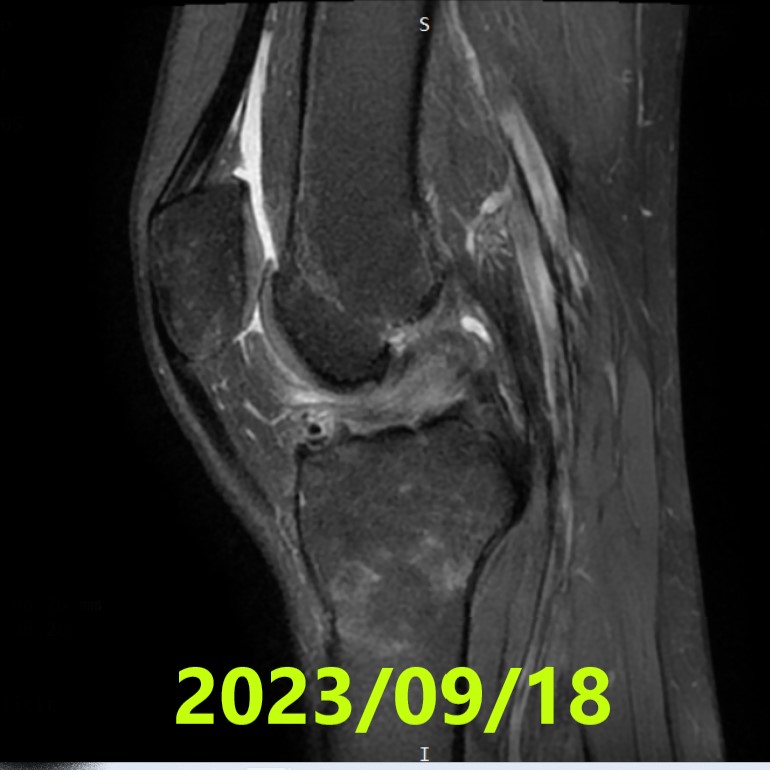
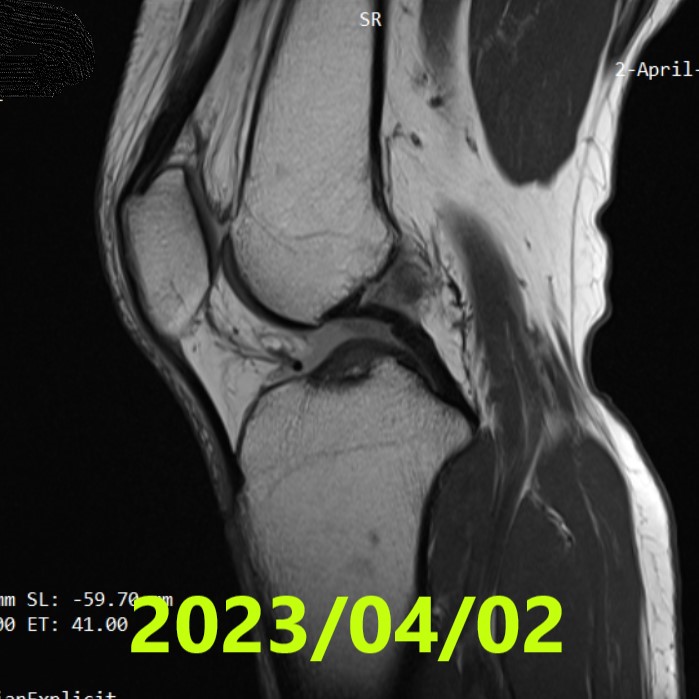
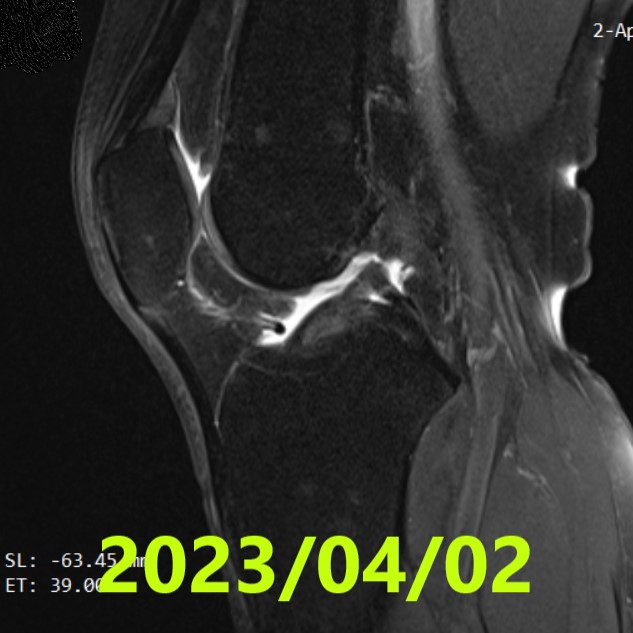
MRI #2 (July 28, 2023)
- ACLOAS: Grade 1 (adequate thickness with restored continuity)
[ACLOAS (native ACL) notes] 0 = normal (low signal; regular thickness and continuity) / 1 = thickened and/or intraligament high signal, but shape and continuity are normal / 2 = thinned or elongated, but continuity preserved / 3 = defect or complete loss of continuity.

Results
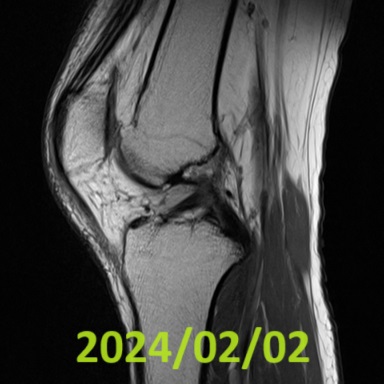
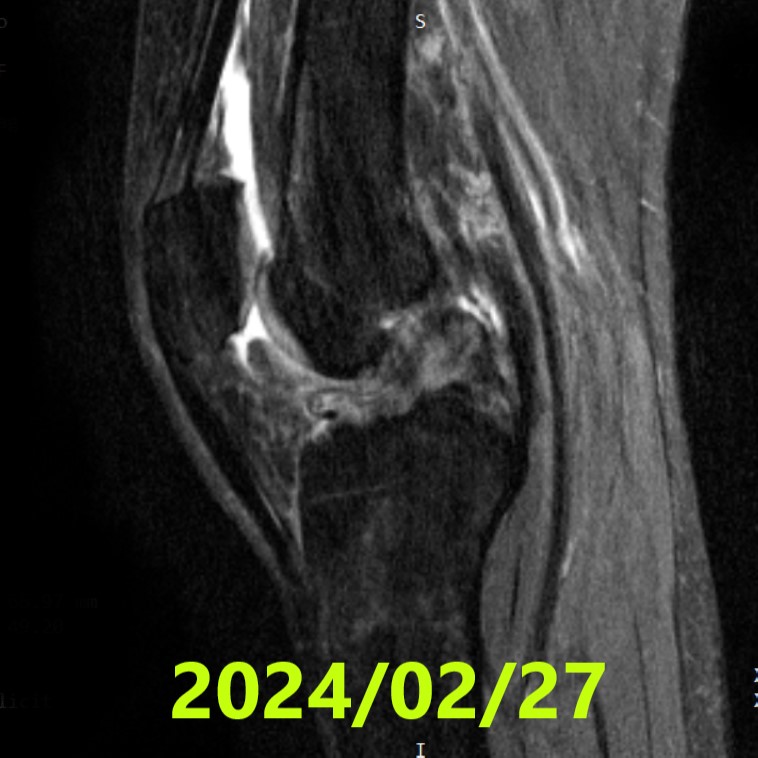
- Outcome: Initially a complete rupture with displacement (Ihara III), which progressed over several months on MRI to restored continuity with adequate thickness (ACLOAS 1)
- Key point: Even under challenging conditions (unable to take time off manual labor), adherence to avoiding 0–30°, step limitation, and home-based Evo-Devo Exercises led to re-establishment of ACL continuity
Discussion
Without prolonged immobilization, combining angle design (avoid 0–30°) with low-level open-chain mechanical stress (Evo-Devo Exercises) may facilitate the sequence of stump approximation → re-continuity → fiber alignment. Early discontinuation of the anticoagulant likely optimized the healing environment. Even while working with a brace, natural healing appears achievable when range-of-motion and loading design are properly followed.
Summary
- Left knee complete ACL rupture while skiing (Lachman positive)
- Initial MRI favored Ihara III (majority of three independent radiologists)
- Avoid 0–30°, allow 30–120°, ≤3,000 steps/day, Evo-Devo Exercises 3×/day
- Follow-up MRI at ~4 months: ACLOAS 1 (restored continuity with adequate thickness)
- No surgery; continuity restored
References
- Filbay SR, et al. Healing of acute ACL rupture on MRI and outcomes following non-surgical management with the Cross Bracing Protocol. Br J Sports Med.
- Ihara H, Kawano T. Influence of age on healing capacity of acute ACL tears based on MRI assessment. J Comput Assist Tomogr.
- Roemer FW, et al. ACLOAS: Longitudinal MRI-based whole-joint assessment of ACL injury. Osteoarthritis Cartilage.
-

Case 43: Natural Healing of a Complete Anterior Cruciate Ligament Rupture (Ihara II, ACLOAS 1)
This page presents Case 43: a 50-year-old Greek woman living in the Netherlands who sustained a complete rupture of the left anterior cruciate ligament while skiing. She did not undergo surgery. With Evo-Devo Exercises she restored ligament continuity, and the follow-up MRI demonstrated a native anterior cruciate ligament ACLOAS score of 1.
ACL Online Therapy for natural healing
The case reports of ACL natural healing
Patient information:
- Profile: Female, 50 years old; Greek, residing in the Netherlands
- Date of injury: March 2, 2023
- Mechanism: While getting off a ski lift, the skis crossed on landing; the knees fell into a “snowplow” (valgus) position and the left knee twisted. She was transported to the hotel by snowmobile.
- Initial care: About 3 hours post-injury she visited a hospital. X-ray: no fracture. Manual test: Lachman positive.
Initial assessment and plan:
- First MRI: March 22, 2023. Local report: “injury of the left anterior cruciate ligament; partial tear cannot be excluded.”
- Local physiotherapy (before switch): From Mar 2 to Mar 17: leg press, knee extension exercises, jump drills, stair climbing.
- Switch to our protocol: From March 17, online care with Jun Matsumoto Clinic, starting Evo-Devo Exercises. The previous regimen (full knee extension work, jumping, etc.) was discontinued.
Treatment details:
- Brace management: Knee brace for 3 months with 0–30° extension limitation (avoid full extension).
- Activity restriction: Walking limited to ≤1,000 steps/day.
- Exercise therapy: Home-basedEvo-Devo Exercises 3 times/day.
- Late phase: After 3 months the brace was removed; gradual re-introduction of full extension range and strength training.
First MRI and Ihara classification:
Three independent imaging specialists re-read the first MRI: Ihara classification “Type II in two readers, Type III in one.”
[Ihara classification notes] I: linear tear; II: curved tear (simple complete rupture); III: tear with displaced stumps; IV: indistinct/unclear stumps.

Follow-up MRI (~3 months) and ACLOAS:
After 3 months of Naturalization Therapy (Evo-Devo Exercises), a follow-up MRI was obtained. All three readers rated the native anterior cruciate ligament as ACLOAS score 1.
[ACLOAS (native anterior cruciate ligament) notes] 0 = normal (low signal, regular thickness and continuity) / 1 = thickened and/or intraligament high signal, but shape and continuity are normal / 2 = thinned or elongated but continuity preserved / 3 = defect or complete loss of continuity.

Clinical course:
Because the pre-switch program included full-extension drills, jumping and stair training, deterioration was initially a concern. However, with extension limitation, brace management and Naturalization Therapy (Evo-Devo Exercises), imaging achieved ACLOAS 1 (best-tier natural healing). Daily activities were comfortable, and subjective stability improved.
Discussion:
This case likely benefited from a predominantly Ihara Type II (simple complete rupture) pattern and a relatively early switch to our protocol, leading to a favorable endpoint of ACLOAS 1. High-load early exercises can hinder stump apposition; an early shift to 0–30° extension limitation with brace control and continued Evo-Devo Exercises likely promoted restoration of ligament continuity.
Summary:
- 50-year-old Greek woman living in the Netherlands with a complete rupture of the left anterior cruciate ligament.
- Ihara classification: Type II (two readers) / Type III (one reader); pattern favored a simple complete rupture.
- Three months of 0–30° extension limitation + brace management + Evo-Devo Exercises.
- Follow-up MRI: all readers ACLOAS 1—a best-tier natural healing finding.
References:
- Filbay SR, et al. Healing of acute anterior cruciate ligament rupture on MRI and outcomes following non-surgical management with the Cross Bracing Protocol. Br J Sports Med.
- Ihara H, Kawano T. Influence of Age on Healing Capacity of Acute Tears of the Anterior Cruciate Ligament Based on MRI Assessment. J Comput Assist Tomogr.
- Roemer FW, et al. ACLOAS: Longitudinal MRI-based whole joint assessment of anterior cruciate ligament injury. Osteoarthritis Cartilage.
-

Case 41 Report: A 33-Year-Old Hungarian Male’s ACL Rupture Healed Through Evo-Devo Exercises
This page presents a case of a 33-year-old Hungarian male who completely ruptured his right anterior cruciate ligament (ACL) while playing soccer and aimed for spontaneous healing through Evo-Devo Exercises without undergoing surgery.
ACL Online Therapy for natural healing
The case reports of ACL natural healing
Patient Information:
- Age / Sex / Nationality: 33 years old / Male / Hungarian
- Date of Injury: March 20, 2023
- Mechanism of Injury: Twisting injury to the knee after being kicked during soccer; audible pop and collapse
- Date of Initial Consultation: March 21, 2023 (Positive Lachman test and MRI performed)
- Diagnosis: Complete rupture of the right ACL
Treatment:
- Start Date: March 22, 2023
- Therapy: Online Evo-Devo Exercises
- Brace: Worn with 0–30° extension restriction
- Activity Restriction: Walking allowed within 3,000 steps/day
- Treatment Duration: Approx. 3 months
Pre-Treatment MRI Evaluation: March 21, 2023
Three independent radiologists evaluated the images using the Ihara classification system.
- Ihara Grade 3: All three doctors diagnosed complete rupture with stump displacement

Follow-Up MRI: July 31, 2023
Three radiology specialists reevaluated the images based on the ACLOAS score.
ACLOAS Score Definition:
- Score 0: Normal ACL (shape and signal)
- Score 1: Thickened/high signal ligament but normal shape and continuity
- Score 2: Thinned/elongated but with preserved continuity
- Score 3: Complete rupture, discontinuity
Evaluation Result in This Case:
- Score 2: All 3 radiologists agreed

Discussion:
Ihara Grade 3 indicates stump displacement and is considered challenging to heal spontaneously. However, in this case, proper early extension restriction and consistent Evo-Devo Exercises resulted in all three radiologists rating the ligament as Score 2 (with continuity). This suggests the possibility of spontaneous healing of the ACL.
References:
- Filbay SR et al. Healing of acute anterior cruciate ligament rupture on MRI and outcomes following non-surgical management with the Cross Bracing Protocol. Br J Sports Med.
- Ihara H, Kawano T. Influence of Age on Healing Capacity of Acute Tears of the ACL Based on MRI Assessment. J Comput Assist Tomogr.
- Roemer FW et al. ACLOAS: Longitudinal MRI-based whole joint assessment of ACL injury. Osteoarthritis Cartilage.
-
![[Case 39] A 36-Year-Old Male Skier with a Complete ACL Tear Who Achieved Natural Healing through Evo-Devo Exercises: A Case Report](https://jun-matsumoto.com/wp-content/uploads/2025/07/20232.7a-642x288.jpg)
[Case 39] A 36-Year-Old Male Skier with a Complete ACL Tear Who Achieved Natural Healing through Evo-Devo Exercises: A Case Report
This page presents a case report of a 36-year-old male with a complete anterior cruciate ligament (ACL) tear who achieved natural healing without surgery through Evo-Devo Exercises.
ACL Online Therapy for natural healing
The case reports of ACL natural healing
Patient Information:
- Age / Gender: 36-year-old Japanese male
- Date of Injury: February 4, 2023
- Injury Situation: Fell while skiing and twisted his left knee
- Initial Response: X-ray, joint aspiration, emergency bracing
MRI performed on February 7, 2023, diagnosed a complete ACL tear. Three radiologists independently evaluated the image and all rated it as Ihara Classification Grade 4 (ruptured, horizontally oriented, or indistinct).

▲ February 7, 2023: ACL tear image diagnosed as Ihara Grade 4 Treatment Summary:
- Start of Therapy: February 14, 2023
- Brace: Not used (early mobilization allowed with slight knee flexion)
- Exercise Therapy: Evo-Devo Exercises, 3 times daily
- Duration: About 4 months
Manual Tests (May 2, 2023):
Test Result Lachman Test ± (slightly loose) Pivot Shift Test Negative Lever Arm Test Negative MRI Re-evaluation (June 16, 2023):
Three radiologists assessed the ACL healing using the ACLOAS score system.
ACLOAS Score Definitions:
- Score 0: Normal ACL (normal shape and signal)
- Score 1: Thickened ligament or high intraligament signal, but normal continuity
- Score 2: Thinned or elongated ligament, continuity preserved
- Score 3: Discontinuous ACL, ruptured
Case Result:
- Score 1: 2 radiologists
- Score 2: 1 radiologist

▲ June 16, 2023: Restored ACL continuity and structure Discussion:
Despite being classified as Ihara Grade 4 (a complex and severe tear), this case showed notable ACL healing through consistent Evo-Devo Exercises. With 2 radiologists rating the ligament as Score 1 and 1 as Score 2, and with clinical stability confirmed, this case demonstrates the potential of non-surgical natural healing of ACL tears.
✅ Summary:
Age / Gender 36-year-old male Injury Type Ihara Grade 4 ACL tear Treatment Non-surgical (Evo-Devo Exercises, no brace) Duration Approx. 4 months MRI Results ACLOAS Score 1 (2), Score 2 (1) Manual Test Lachman ±, Pivot −, Lever − Conclusion Proves possibility of natural healing even in complex tears References:
-

Case 38: Complete ACL Tear Healed Naturally Without Surgery
ACL Online Therapy for natural healing
The case reports of ACL natural healing
Patient Profile
A 43-year-old Japanese female presented with a complete ACL rupture following a skiing accident.
Mechanism of Injury
On January 4, 2023, the patient sustained a fall while skiing, resulting in a valgus injury to the left knee. MRI performed the next day confirmed a complete rupture of the anterior cruciate ligament (ACL), classified as Ihara Type II, along with an injury to the medial collateral ligament (MCL).
Diagnosis: Complete rupture of the left ACL (Ihara Type II)
Partial tear of the left MCL
Initial Management
Initial clinical evaluation revealed a positive Lachman test. Hemarthrosis was aspirated twice. Although the patient attended two outpatient physiotherapy sessions, full knee extension was not achieved. No surgical intervention was pursued.
Intervention
Approximately one month post-injury, on February 3, 2023, the patient commenced a structured online rehabilitation program based on natural healing principles. A knee brace was worn during daily activities, and the patient engaged in “Evo-Devo Exercises” focused on dynamic open kinetic chain movements. This regimen was maintained consistently for four months.

Follow-up Imaging
An MRI was performed four months after initiating the natural healing protocol. Three independent musculoskeletal radiologists assessed the image and unanimously assigned an ACLOAS Score of 1—indicating continuity and preserved morphology of the ACL, with mild thickening and increased signal intensity.
Outcome
The ACL, previously diagnosed as fully ruptured, was judged to have healed with sufficient thickness and tension. The patient subsequently progressed to higher-level rehabilitation aimed at returning to pre-injury levels of physical activity.
Discussion
This case illustrates the potential for spontaneous healing in ACL ruptures classified as Ihara Type II. The close approximation of ligament stumps likely contributed to favorable tissue regeneration. This supports the hypothesis that selected complete ACL tears may heal under appropriate biomechanical and rehabilitative conditions.
References
- Filbay, S.R. et al. “Healing of acute anterior cruciate ligament rupture on MRI and outcomes following non-surgical management with the Cross Bracing Protocol.” British Journal of Sports Medicine.
- Ihara H, Kawano T. “Influence of Age on Healing Capacity of Acute Tears of the Anterior Cruciate Ligament Based on MRI Assessment.” J Comput Assist Tomogr. 2017.
- Roemer FW et al. “Anterior Cruciate Ligament Osteoarthritis Score (ACLOAS): MRI-based whole joint assessment of ACL injury.” Osteoarthritis Cartilage. 2014.
-

Natural Healing of a Re-ruptured ACL After Reconstruction
ACL Online Therapy for natural healing
The case reports of ACL natural healing
Patient Information:
40-year-old, Indian, male
Mechanism of Injury:
In 2004, the patient tore the left ACL and underwent reconstruction surgery in 2008. On October 13, 2022, he twisted his left knee after falling down stairs. An MRI taken on October 17 revealed the following:
Rupture of the reconstructed ACL


Post-Injury Course:
Online therapy began on November 24, 2022. A brace was worn for 3 months with extension limited to 0–30 degrees. Walking was limited to 3,000 steps per day. The patient performed an exercise therapy based on evolutionary developmental movement three times daily for 3 months. In the fourth month, the brace was removed and full range of motion gradually restored. A follow-up MRI was taken on June 6, 2023.


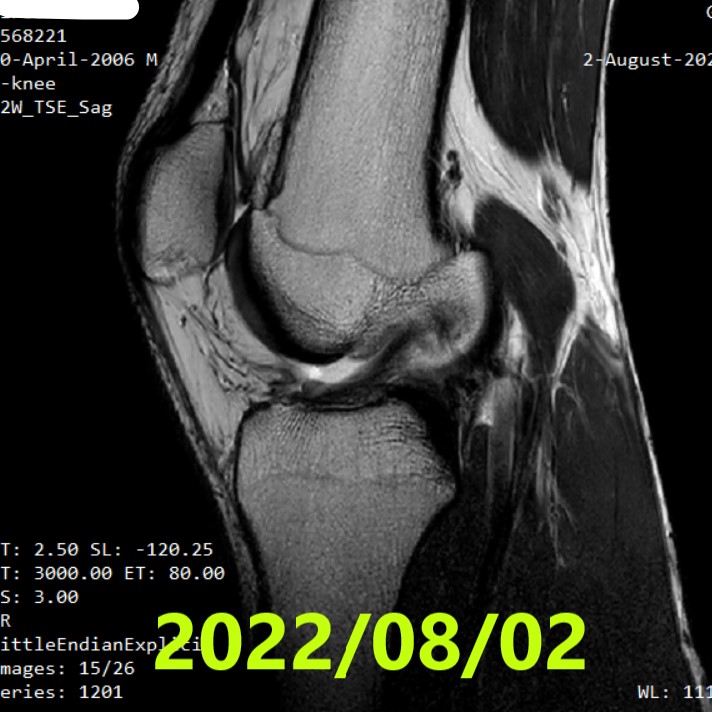
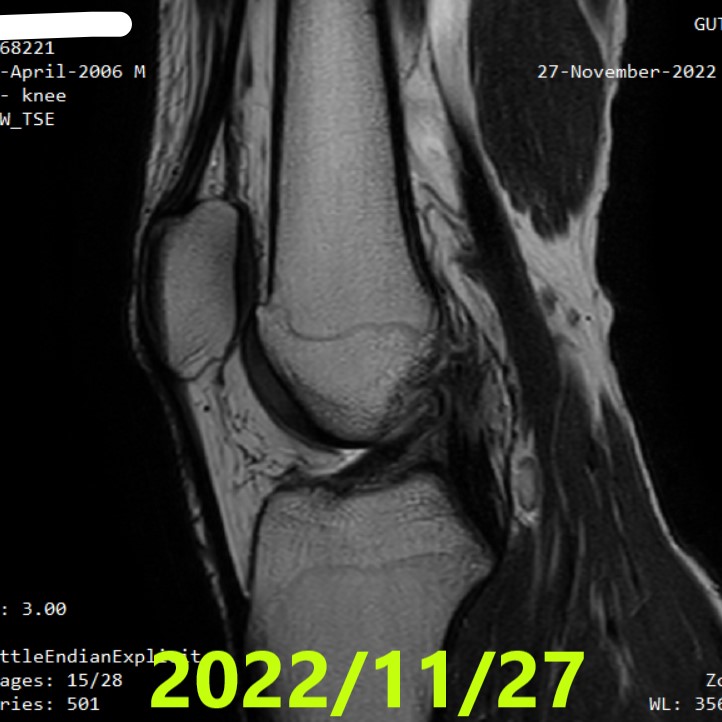
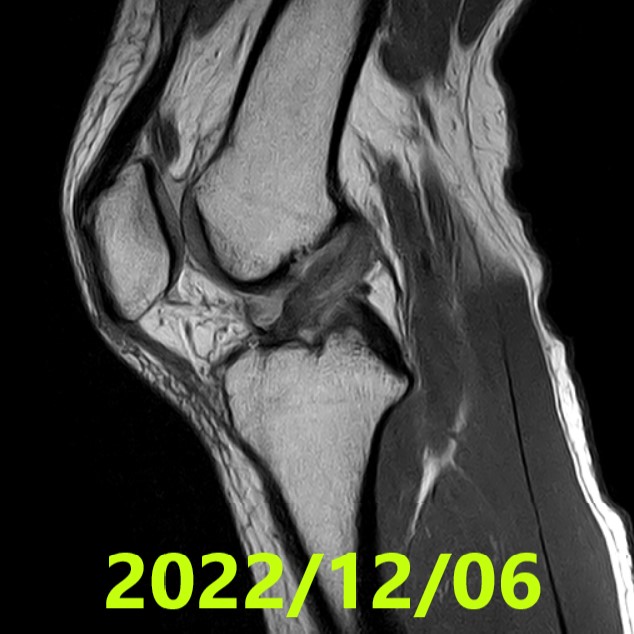
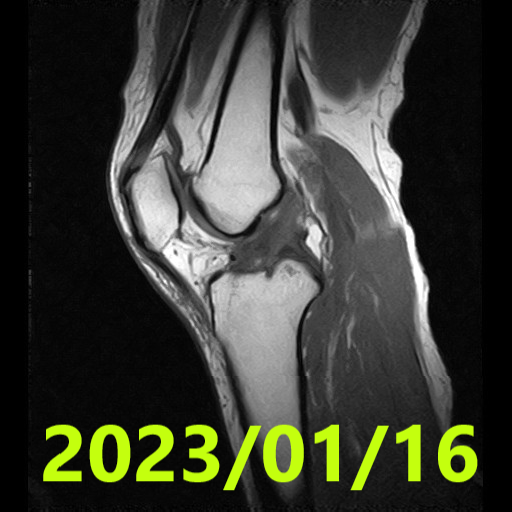
MRI Findings:
The radiologist’s report from India noted:
・Mild damage to the reconstructed ACL and PCL
・Grade 3 tear in the posterior horn of the medial meniscusClinical Outcome:
The re-ruptured ACL was judged to have regained sufficient continuity. The patient was instructed to continue rehabilitation toward returning to daily activities.
Discussion:
This is the first reported case in which a re-ruptured reconstructed ACL spontaneously healed through Evo-Devo Exercises. If the graft is fused and fixed within the bone tunnel, appropriate mechanical stress and dynamic movement therapy may allow for spontaneous repair. Accumulation and analysis of further cases is needed.
References:
- Filbay SR et al. “Healing of acute ACL rupture on MRI and outcomes following non-surgical management with the Cross Bracing Protocol.” British Journal of Sports Medicine.
- Ihara H, Kawano T. “Influence of Age on Healing Capacity of Acute Tears of the ACL Based on MRI.” J Comput Assist Tomogr. 2017;41(2):206-211.
- Roemer FW et al. “ACL OsteoArthritis Score (ACLOAS): Longitudinal MRI-based joint assessment of ACL injury.” Osteoarthritis Cartilage. 2014;22(5):668–682.
-

Natural Healing of ACL Tear -case 37- Be careful of the opposite knee!
ACL Online Therapy for natural healing
The case reports of ACL natural healing
Patient Information:
44 years old, Male, Croatian
Mechanism of Injury:
On November 5, 2022, during a tennis match, he twisted his left knee. An MRI was performed on November 9, leading to the following diagnosis:
ACL Tear (Simple Complete Tear (Ihara Classification II))


Progress After Injury:
After the injury, he did not undergo physical therapy and rested. Starting from November 13, he began an online therapy program with our clinic and continued “Evo-Devo Exercises” at home for three months. On February 14, 2023, a second MRI was performed.


MRI Results:
The torn ACL had regained continuity. However, on the MRI, the ligament appeared pale and had not fully regained its thickness. He continued the “Evo-Devo Exercises,” and a third MRI was performed three months later.


MRI Results:
The ACL appeared darker and thicker compared to the previous MRI.
Subsequent Progress:
The ACL was deemed sufficiently healed, and the patient was cleared to return to sports. He gradually increased his activity levels and eventually played tennis at the same level as before the injury. However, around August 2024, he felt discomfort in his opposite (right) knee during tennis. He rested for a week, but the discomfort persisted even after resuming tennis. An MRI was conducted on October 1, 2024.


MRI Results:
The MRI showed a partial tear in the right ACL but retained continuity overall.
Discussion:
The initially injured left ACL healed naturally, and the patient returned to sports successfully. However, he subsequently injured the opposite ACL. Research suggests a significant likelihood of injuring the contralateral ACL after an initial ACL tear. This case underscores the importance of maintaining balance and minimizing asymmetry to prevent future injuries. Ongoing training to stabilize and balance the body is recommended.
References:
- Filbay, Stephanie R et al. “Healing of acute anterior cruciate ligament rupture on MRI and outcomes following non-surgical management with the Cross Bracing Protocol.” British Journal of Sports Medicine, bjsports-202
- Ihara H, Kawano T. Influence of Age on Healing Capacity of Acute Tears of the Anterior Cruciate Ligament Based on Magnetic Resonance Imaging Assessment. J Comput Assist Tomogr. 2017 Mar/Apr;41(2):206-211. doi: 10.1097/RCT.0000000000000515.
- Roemer FW, Frobell R, Lohmander LS, Niu J, Guermazi A. Anterior Cruciate Ligament OsteoArthritis Score (ACLOAS): Longitudinal MRI-based whole joint assessment of anterior cruciate ligament injury. Osteoarthritis Cartilage. 2014 May;22(5):668-82. doi: 10.1016/j.joca.2014.03.006.
-

Natural Healing of an ACL Tear: Case Study of a 30-Year-Old Chinese Businessman
ACL Online Therapy for natural healing
The case reports of ACL natural healing
Patient Information:
30 years old, male, Chinese-Australian
Mechanism of Injury:
On February 19, 2023, he twisted his left knee while skiing. X-ray at the hospital showed no abnormalities. On March 2, MRI was performed, and the following diagnosis was made:
ACL Tear (curved and continuous fiber (Ihara Classification II))

Post-Injury Progression:
After the injury, he wore a brace for only one day and then engaged in rehabilitation, including knee extension exercises. From March 10, he began our online treatment and performed Evo-Devo Exercises three times a day for two months. During this period, all other rehabilitation exercises were strictly prohibited. On May 4, a follow-up MRI was conducted.

MRI Results:
The torn ACL had regained continuity with sufficient thickness (ACLOAS Score 1).
Discussion:
Although the MRI was taken relatively early at the patient’s request—two months into treatment—the ACL’s continuity was sufficiently confirmed. The simple complete tear (Type II) of the ACL may have been a factor in the early healing observed. Despite including knee extension exercises in the rehabilitation, there was no adverse effect on natural healing in this case.
References:
- Filbay, Stephanie R et al. “Healing of acute anterior cruciate ligament rupture on MRI and outcomes following non-surgical management with the Cross Bracing Protocol.” British journal of sports medicine, bjsports-202
- Ihara H, Kawano T. Influence of Age on Healing Capacity of Acute Tears of the Anterior Cruciate Ligament Based on Magnetic Resonance Imaging Assessment. J Comput Assist Tomogr. 2017 Mar/Apr;41(2):206-211. doi
- Roemer FW, Frobell R, Lohmander LS, Niu J, Guermazi A. Anterior Cruciate Ligament OsteoArthritis Score (ACLOAS): Longitudinal MRI-based whole joint assessment of anterior cruciate ligament injury. Osteoarthritis Cartilage. 2014 May;22(5):668-82. doi: 10.1016/j.joca.2014.03.006.
-

An Indian Highschool Boy’s Natural Healing of ACL Tear -case 35
ACL Online Therapy for natural healing
The case reports of ACL natural healing
Patient Information:
17 years old, male, Indian
Mechanism of Injury:
On October 19, 2022, during a soccer match, he twisted his right knee while attempting to tackle an opponent. A snapping sound was heard from his right knee when twisted. The next day, an MRI scan was performed, resulting in the following diagnosis.
Complete Tear of the Anterior Cruciate Ligament (ACL) of the Right Knee (the ligament ends separated (Ihara Classification III))

Progress After Injury:
After the injury, knee buckling occurred several times. After wearing a brace, no further knee buckling occurred. Rehabilitation exercises, including full knee extension, were started at a hospital in India. On November 3, an online consultation was started with Jun Matsumoto. The online treatment and at-home Evo-Devo Exercises were continued for 5 months, and a second MRI scan was performed on March 31, 2023.

MRI Results:
The torn ACL had regained its continuity and retained some degree of tension. However, the ligament at about one-third from the femoral attachment remained thin. (Ihara Healing Classification B)
Subsequent Course:
Subsequently, muscle strength training and range of motion recovery exercises were conducted, and he recovered to the point of living a normal daily life without issues. On November 3, 2023, one year after starting treatment, a third MRI scan was performed.


MRI Results:
The results of the third MRI were similar to those of the second one, with the ligament at the tear site remaining thin.
Discussion:
In this case, despite a complete rupture with separation of ligament ends, Evo-Devo Exercises allowed the continuity of the ACL to be restored, achieving natural healing. However, the healed form showed remaining thinning of the ligament, which raises concerns about the patient’s return to sports. Many doctors instruct early rehabilitation, including full knee extension, after ACL injury. In this case as well, the patient had started incorrect rehabilitation early. It is thought that the presence or absence of full knee extension exercises after injury can affect treatment outcomes, and we will continue to collect statistical data on treatment outcomes.
References:
- Ihara H, Miwa M, Deya K, Torisu K. MRI of anterior cruciate ligament healing. J Comput Assist Tomogr. 1996 Mar-Apr;20(2):317-21. doi
- Ihara H, Kawano T. Influence of Age on Healing Capacity of Acute Tears of the Anterior Cruciate Ligament Based on Magnetic Resonance Imaging Assessment. J Comput Assist Tomogr. 2017 Mar/Apr;41(2):206-211. doi
- Pitsillides A, Stasinopoulos D, Giannakou K. Healing potential of the anterior cruciate ligament in terms of fiber continuity after a complete rupture: A systematic review. J Bodyw Mov Ther. 2021 Oct;28:246-254. doi
- Filbay, Stephanie R et al. “Healing of acute anterior cruciate ligament rupture on MRI and outcomes following non-surgical management with the Cross Bracing Protocol.” British journal of sports medicine, bjsports-202
-

A Panamanian gentleman’s Natural Healing of ACL Tear -case 34
ACL Tear Natural Healing Case Studies
Patient Information:
32 years old, male, Panamanian
Mechanism of Injury:
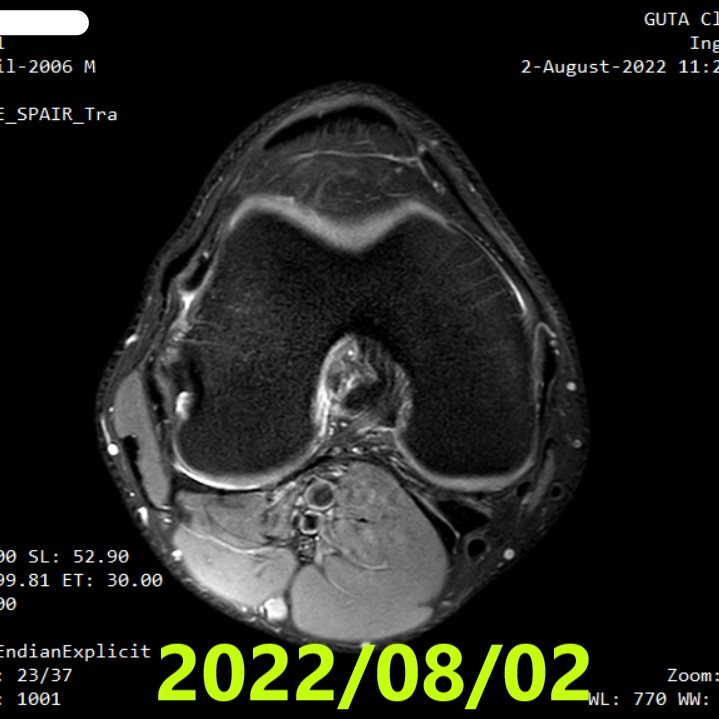
On August 21, 2022, during a basketball game, he felt a popping sound in his left knee when he jumped off his left foot. He could not move and was transported to the hospital. An MRI was performed the same day, leading to the following diagnosis. The Lachman test was positive.
ACL Tear (unclear stump (Ihara Classification IV))


Post-Injury Progress:
From September 13, 2022, he began Natural Therapy with Jun Matsumoto through online treatment. He continued with online therapy and Evo-Devo Exercises at home, and after four months of treatment, a follow-up MRI was performed.


MRI Results:
Although the torn ACL did not regain enough tension, its continuity had recovered. Fibers near the femoral attachment were thin, but the distal part was sufficiently thick. (Ihara’s Healing Classification B)
Discussion:
This ACL tear had an unclear stump, a type of tear considered difficult to heal naturally (Ihara’s classification). Contrary to expectations, MRI taken five months after the injury showed that the continuity had been restored, yielding relatively favorable results. After continued rehabilitation, he recovered enough to perform daily activities without issues and could engage in light exercises like jogging.
References:
- Ihara H, Miwa M, Deya K, Torisu K. MRI of anterior cruciate ligament healing. J Comput Assist Tomogr. 1996 Mar-Apr;20(2):317-21. doi
- Ihara H, Kawano T. Influence of Age on Healing Capacity of Acute Tears of the Anterior Cruciate Ligament Based on Magnetic Resonance Imaging Assessment. J Comput Assist Tomogr. 2017 Mar/Apr;41(2):206-211. doi
- Pitsillides A, Stasinopoulos D, Giannakou K. Healing potential of the anterior cruciate ligament in terms of fiber continuity after a complete rupture: A systematic review. J Bodyw Mov Ther. 2021 Oct;28:246-254. doi
- Filbay, Stephanie R et al. “Healing of acute anterior cruciate ligament rupture on MRI and outcomes following non-surgical management with the Cross Bracing Protocol.” British journal of sports medicine, bjsports-202